

Around the world, some landscapes are so extraordinary that they are recognized not just by countries, but by humanity itself. UNESCO World Heritage Sites represent places of outstanding universal value, and among them are national parks and wildlife sanctuaries that protect the planet’s most precious ecosystems. These areas are living museums—home to rare species, dramatic landscapes, and natural processes that have shaped Earth for thousands of years.
What Makes a Park a UNESCO World Heritage Site?
UNESCO designates natural World Heritage Sites based on criteria such as exceptional natural beauty, geological significance, ecological processes, and biodiversity. National parks and wildlife sanctuaries that earn this status are recognized for their global importance in conservation. This designation also helps strengthen protection efforts, promote sustainable tourism, and raise awareness about preserving fragile environments.
Serengeti National Park, Tanzania
Few places capture the imagination like the Serengeti National Park. Famous for the Great Migration, where millions of wildebeest, zebras, and gazelles move across vast grasslands, the Serengeti is one of the most dynamic wildlife spectacles on Earth. Predators such as lions, cheetahs, and hyenas follow closely, making this park a symbol of raw, untamed nature. Its UNESCO status highlights the importance of preserving large-scale ecosystems where wildlife can roam freely.
Kaziranga National Park, India
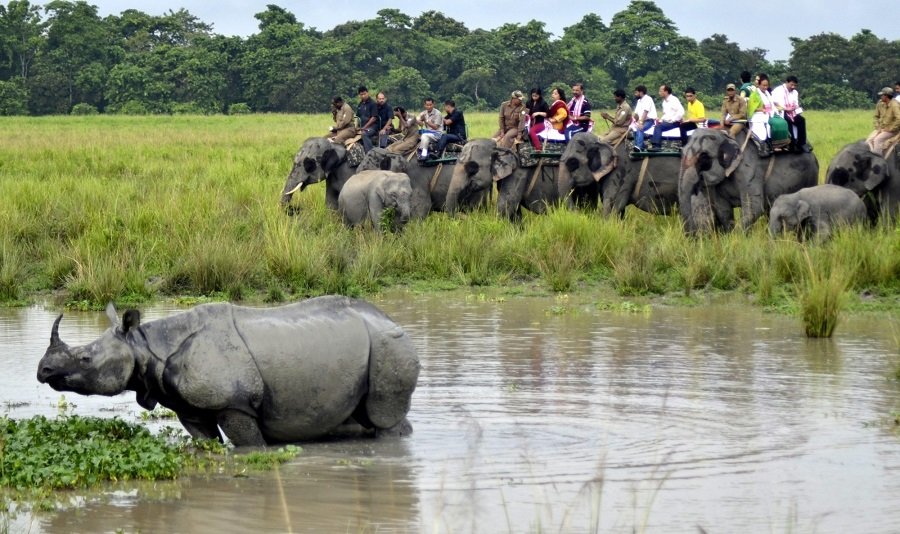
Located in Assam, Kaziranga National Park is a conservation success story. It shelters the world’s largest population of the endangered one-horned rhinoceros, along with elephants, wild water buffalo, and tigers. Floodplains, tall elephant grass, and wetlands create a rich mosaic of habitats. UNESCO recognition has played a key role in strengthening protection measures and spotlighting India’s wildlife heritage on the global stage.
Yellowstone National Park, USA
The world’s first national park, Yellowstone, is a geological wonderland. Geysers, hot springs, mud pots, and dramatic canyons make it unlike anywhere else. Beneath the surface lies one of the largest volcanic systems on the planet. Yellowstone is also home to wolves, bison, bears, and elk, showcasing how natural processes and wildlife coexist. Its UNESCO status reflects both its scientific importance and its breathtaking beauty.
The Sundarbans, India and Bangladesh
Stretching across the delta of the Ganges, Brahmaputra, and Meghna rivers, the Sundarbans is the largest mangrove forest in the world. This unique ecosystem protects coastlines from storms while supporting diverse wildlife, including the elusive Royal Bengal tiger. Navigating its tidal waterways feels like entering another world. UNESCO recognition emphasizes the Sundarbans’ role in climate resilience and biodiversity conservation.
Manas Wildlife Sanctuary, India
Nestled at the foothills of the Himalayas, Manas Wildlife Sanctuary is known for its scenic beauty and rich biodiversity. It provides refuge to endangered species such as the pygmy hog, golden langur, and Bengal tiger. After facing periods of conflict and environmental threat, Manas stands today as a symbol of recovery, with UNESCO status helping drive conservation and restoration efforts.
Iguazú National Park, Argentina and Brazil
Home to the mighty Iguazú Falls, this national park protects subtropical rainforest teeming with life. Hundreds of waterfalls thunder through lush greenery, creating one of the most awe-inspiring natural sights in the world. Jaguars, tapirs, and colorful bird species inhabit the surrounding forest, making Iguazú a blend of dramatic scenery and ecological richness.
Why These Places Matter
UNESCO-listed national parks and wildlife sanctuaries are more than travel destinations. They are critical strongholds for biodiversity, climate regulation, and scientific research. Visiting them responsibly helps support conservation while offering a deeper appreciation of the planet’s natural heritage.
Protecting Nature for the Future
As human pressures increase, the role of UNESCO World Heritage Sites becomes even more vital. These protected areas remind us that nature’s greatest treasures are not owned by any one nation—they belong to all of us. Preserving them ensures that future generations can witness the same wild beauty, powerful ecosystems, and unforgettable moments that define our living planet.