

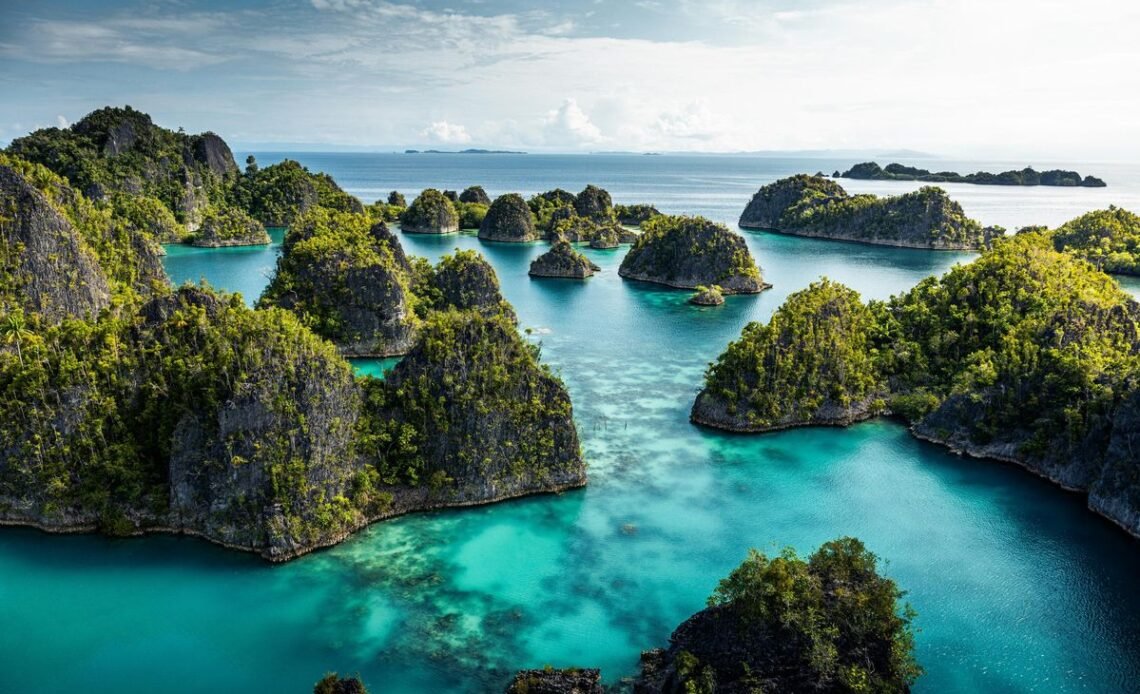
The boat slows as the islands come into view. Ahead, steep green limestone cliffs rise straight out of the sea, separated by narrow channels of water that shift from deep blue to brilliant turquoise. There are no roads connecting these little islands, no rows of beach cafés and very few signs of the outside world. Just forest, ocean and the occasional fishing boat passing between the rocks.
This is Raja Ampat, an archipelago off the coast of West Papua, Indonesia, where some of the most memorable experiences happen far beyond the resort beaches. Travellers come for the coral reefs, but stay captivated by the hidden lagoons, quiet villages and tiny islands that seem to appear around every bend. With more than a thousand islands and countless sheltered bays, Raja Ampat rewards those willing to explore beyond the familiar postcard views.
Piaynemo: The View That Makes You Stop Talking
If there is one place that captures Raja Ampat’s extraordinary scenery, it is Piaynemo in the Fam Islands. From its elevated viewpoint, dozens of small, forest-covered limestone islands rise from a lagoon that looks almost unreal in its shades of green and blue.
Getting to the viewpoint involves climbing a wooden staircase, but the effort is manageable for most visitors who are comfortable with steps. Once at the top, the view stretches across the scattered islands, revealing just how intricate this landscape really is.
The secret to enjoying Piaynemo is not to rush. Arriving early can mean softer light and fewer people at the lookout. After taking photographs, spend some time exploring the surrounding waters by boat. Nearby formations and sheltered coves offer a different perspective on the karst scenery, and the journey between them is often as beautiful as the destination.
The Lagoons You Discover Along the Way
Some of Raja Ampat’s most memorable corners are not places you reach by following a marked walking trail. They are places your boat finds between larger islands.
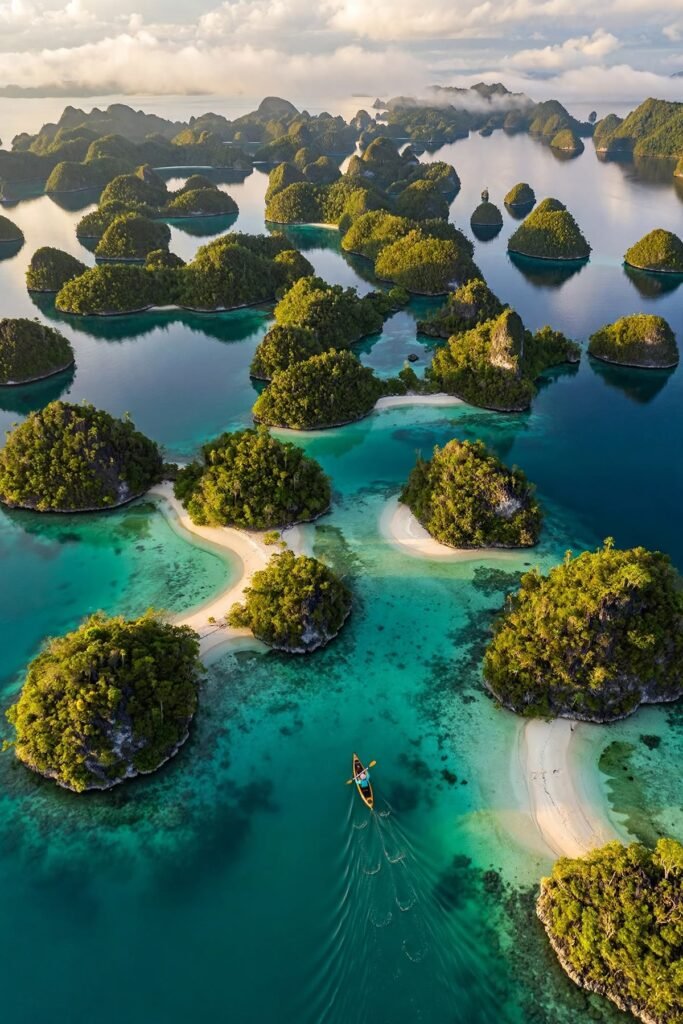
Kabui Bay, between Waigeo and Gam, is known for its maze of limestone formations and clear channels. From the water, the islands appear almost sculpted, with mangroves and greenery clinging to steep rock walls. Small passages open into sheltered stretches of sea, making a slow boat journey particularly rewarding.
Further south, the Misool region offers another world of secluded lagoons, rocky islands and striking coastal scenery. Its distance from the more commonly visited northern areas means it deserves proper planning rather than being squeezed into a rushed day trip.
These places are not necessarily secret to local communities or experienced guides. Their appeal lies in how quiet they can feel when you visit with care, take your time and avoid treating every stop as a photo opportunity.
You Do Not Have to Be a Diver
Raja Ampat is famous among divers for good reason. Its waters form part of the Coral Triangle, one of the world’s richest marine regions, and the archipelago supports an extraordinary variety of coral and reef fish. But you do not need diving qualifications to appreciate its underwater world.
Snorkelling over a healthy reef can reveal colourful fish, branching corals and marine life moving through the shallows. Depending on conditions and location, visitors may also encounter turtles or other larger marine animals.
Choose a local guide who understands the reefs, follow instructions and never stand on or touch coral. Sunscreen, too, deserves thought: use reef-conscious products where appropriate, cover up with a rash guard and avoid leaving rubbish behind.
For travellers who prefer dry land, there is still plenty to do. Birdwatching, village visits, short walks and simply watching the changing light over the water can fill a day beautifully.
Stay in a Village, Not Just a Resort
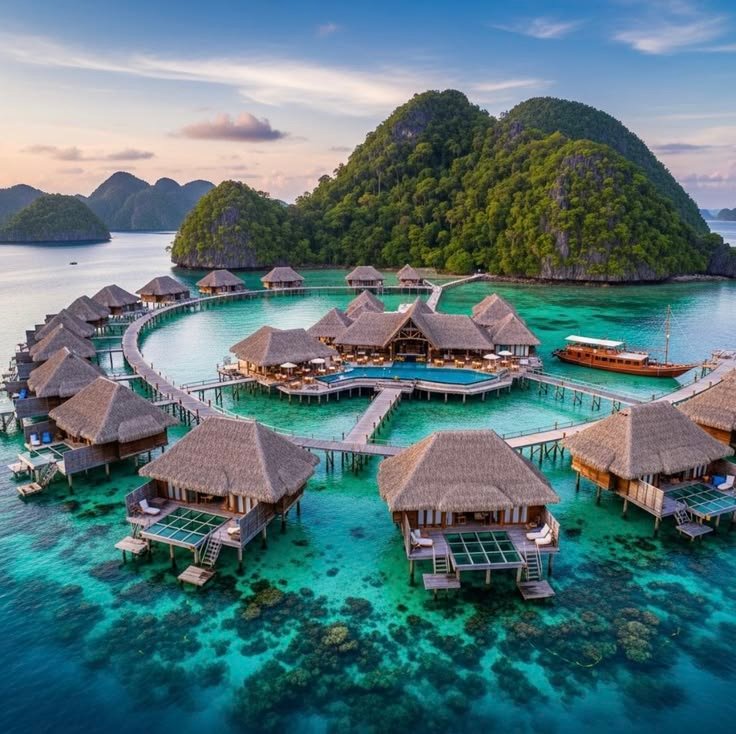
A resort can be comfortable, but a locally run homestay offers a different way to experience Raja Ampat. Many are simple, often with wooden rooms or bungalows close to the sea. You might wake to the sound of water beneath your room, eat freshly prepared local food and watch village life unfold along the shoreline.
Staying with local hosts also gives your trip a more personal dimension. Ask before photographing people, respect village customs and consider booking boat excursions through your accommodation. Tourism can support communities when spending stays local and visitors behave respectfully.
When to Go and How to Plan
October through April is generally considered a favourable period for visiting Raja Ampat, although wind, rain and sea conditions vary. Travellers usually fly to Sorong in West Papua and continue by boat to Waisai or arrange onward transport with their accommodation. The islands are spread over a large area, so travelling between regions takes time.
For a worthwhile visit, allow at least a week if possible. Confirm boat arrangements, local entry requirements and conservation fees before travelling. Conditions and access rules can change, so check the status of specific sites before building your itinerary around them.
Raja Ampat does not need grand hotels or busy attractions to leave an impression. Its magic is in the small moments: a quiet lagoon at first light, fish moving beneath a wooden jetty, or the sight of green islands disappearing into the afternoon haze.
Beyond the resorts, this marine wonderland is best experienced slowly. The less you try to fit into each day, the more time you have to appreciate the places that make Raja Ampat so extraordinary.