

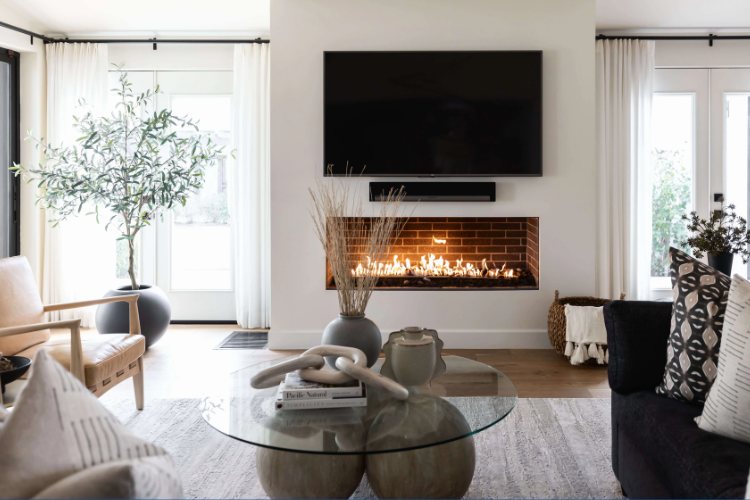
A home is more than just walls and a roof, it’s a personal sanctuary where life unfolds. In today’s fast-paced world, the concept of home has evolved into a space that balances comfort, functionality, and modern aesthetics. Whether you live in a compact apartment or a spacious house, designing your ideal home is about creating a place that reflects your lifestyle and personality.
The Modern Meaning of Home
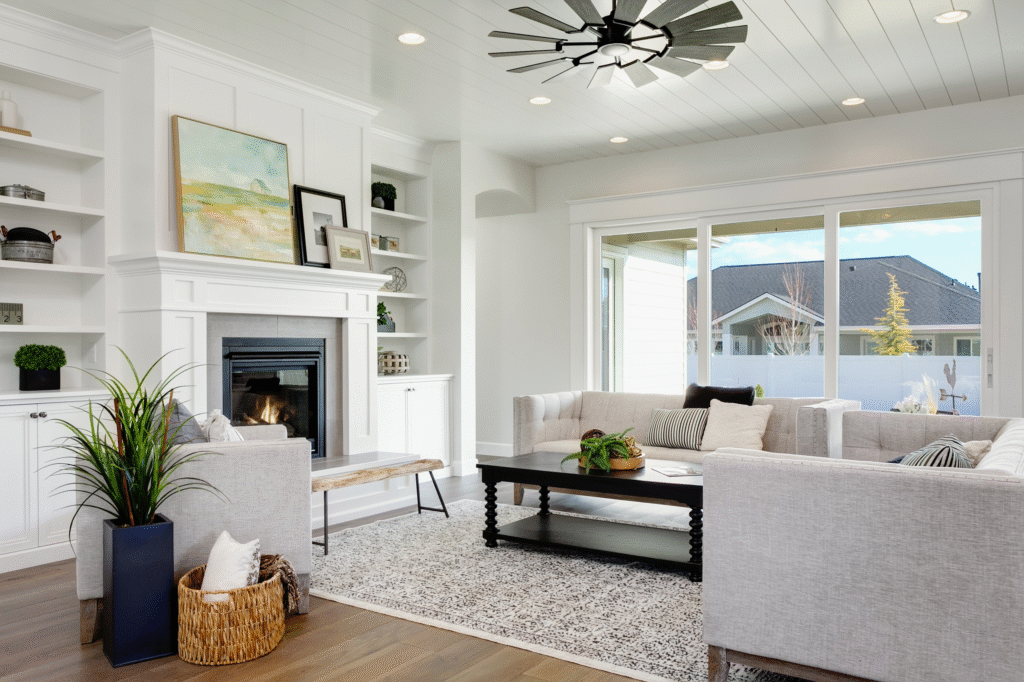
Today’s homes are designed to do more than provide shelter. They serve as workplaces, relaxation zones, entertainment hubs, and even wellness retreats. A well-designed home considers natural light, ventilation, smart space utilization, and emotional comfort.
Modern living spaces focus on:
- Open layouts that encourage movement and connectivity
- Multi-functional furniture for flexibility
- Calm, neutral color palettes for a peaceful ambiance
- Integration of indoor and outdoor elements
These features help transform everyday living into a seamless and enjoyable experience.
Designing for Comfort and Functionality
A thoughtfully planned home ensures that every corner serves a purpose. From storage solutions to furniture placement, functionality is key. Smart space planning allows you to maximize even the smallest areas while maintaining a clean and uncluttered look.
Key elements of functional home design include:
- Efficient storage solutions to reduce clutter
- Ergonomic furniture for comfort
- Zoning spaces for work, relaxation, and socializing
- Easy accessibility and movement within the home
Well-designed homes often strike a balance between private and shared spaces, giving residents both independence and togetherness.
The Rise of Smart Homes
Technology has transformed how we interact with our living spaces. Smart homes are no longer a luxury—they are becoming a necessity for convenience and efficiency.
Features of a smart home include:
- Automated lighting and temperature control
- Voice-activated assistants
- Advanced security systems
- Energy-efficient appliances
These innovations not only enhance comfort but also improve safety and reduce energy consumption, making homes more sustainable.
Bringing Nature Indoors
One of the biggest trends in home design is incorporating nature into living spaces. Natural elements help reduce stress, improve air quality, and create a calming environment.
Ways to bring nature into your home:
- Indoor plants and vertical gardens
- Natural materials like wood and stone
- Large windows for natural light
- Earthy tones and textures
A home that embraces nature feels more alive, refreshing, and inviting.
Building a Sense of Community
A home doesn’t exist in isolation—it is part of a larger community. Modern residential spaces are designed to encourage interaction, shared experiences, and a sense of belonging.
Communities today often include:
- Shared green spaces and parks
- Recreational areas
- Co-working and social hubs
- Safe, family-friendly environments
A strong community enhances the overall living experience and adds value to your home life.
Sustainability in Modern Homes
Sustainable living is no longer optional—it’s essential. Homes today are being built with eco-friendly materials and energy-efficient systems to reduce environmental impact.
Sustainable home features include:
- Rainwater harvesting systems
- Solar panels
- Energy-efficient lighting and appliances
- Eco-friendly construction materials
Such features not only benefit the environment but also reduce long-term costs.