

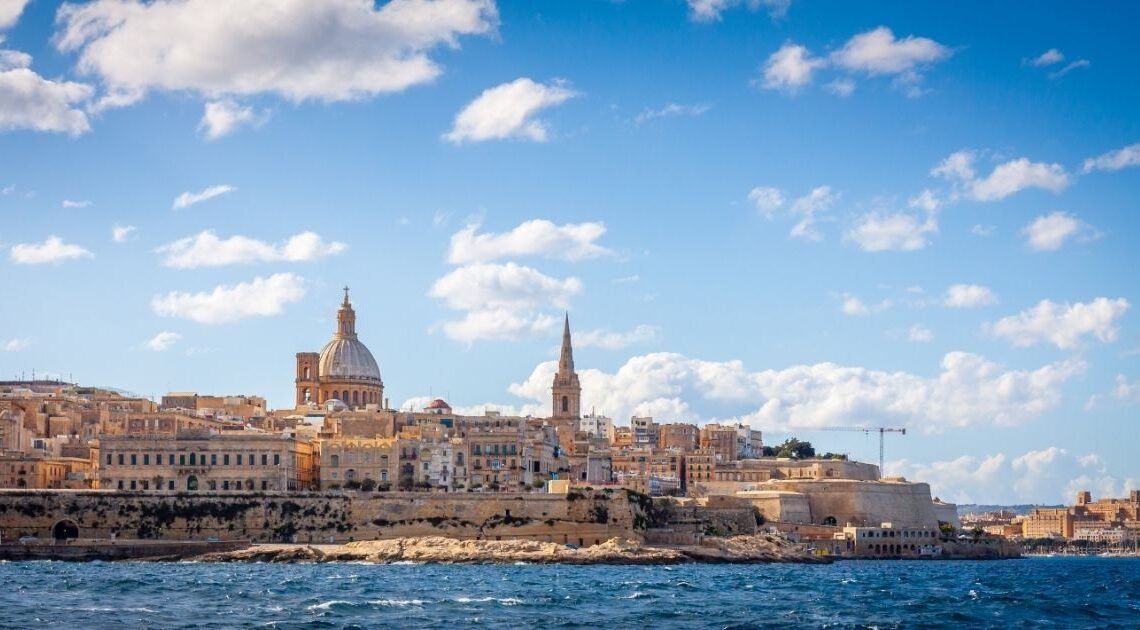
Some cities overwhelm you with skyscrapers, neon, and endless motion. Valletta, Malta’s enchanting capital, does the opposite. It unfolds gently—one limestone street at a time—inviting you to wander through history rather than rush past it. Built by the Knights of St. John in the 16th century, Valletta feels like a living museum, but not the kind sealed behind glass. It’s warm, sunlit, and unexpectedly alive, where every corner whispers a story centuries in the making.
My first morning began with the sound of church bells drifting across the city’s honey-colored rooftops. Valletta sits on a narrow peninsula, so no matter where you stand, the sea is always close—glittering through alleys like a secret waiting to be discovered. The limestone buildings seem to hold the Mediterranean sun in their walls, giving the city a gentle golden glow from dawn to dusk.
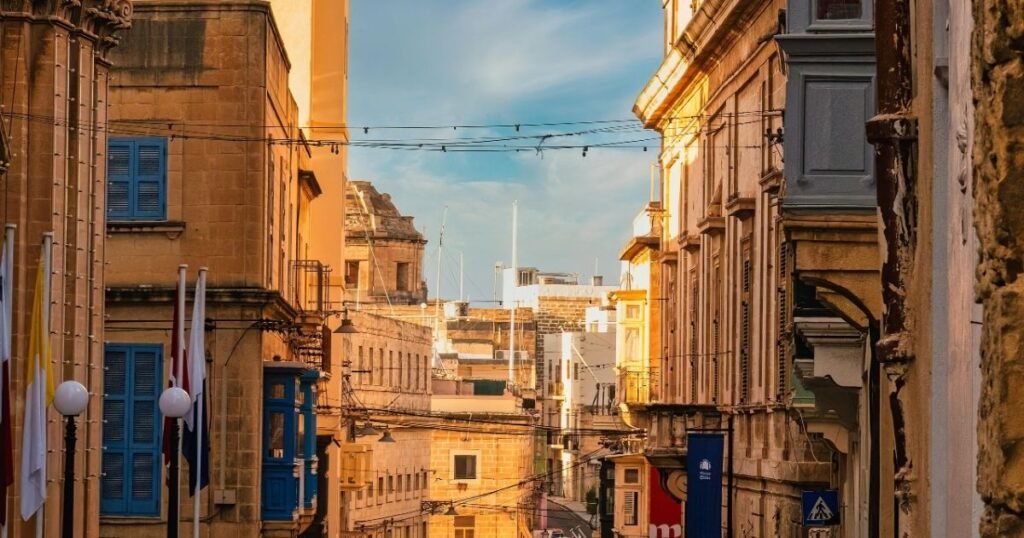
I started my wander at the City Gate, passing through Renzo Piano’s striking modern entrance that leads directly into Valletta’s old-world charm. Within minutes, I found myself on Republic Street, a vibrant artery lined with cafés, bookshops, and tiny boutiques selling handmade Maltese lace. Locals strolled with a leisurely confidence, unhurried, as if they had already mastered the art of savoring life. In Valletta, it’s impossible not to follow their rhythm.
One of the city’s greatest treasures is St. John’s Co-Cathedral, a masterpiece that surprises everyone who steps inside. The exterior is modest, but the interior bursts into baroque splendor—elaborate marble tombs, gilded walls, and swirling carvings that feel almost too ornate to be real. The cathedral is home to Caravaggio’s famous painting The Beheading of Saint John the Baptist. Seeing it in person is overwhelming; the dramatic play of light and shadow pulls you into the scene, making you forget the centuries that separate you from the artist’s brush.
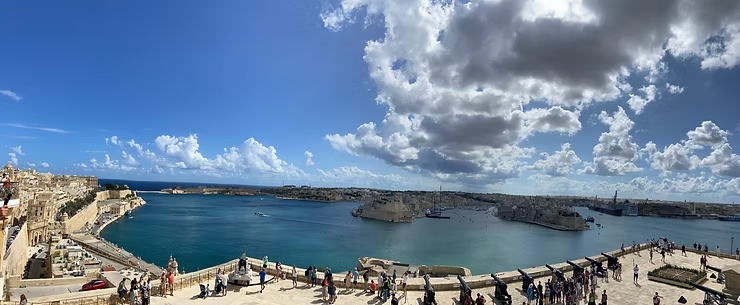
From golden chapels to blue horizons, Valletta’s contrasts are endless. A short walk brought me to the Upper Barrakka Gardens, where neatly trimmed arches frame sweeping views of the Grand Harbour. This harbor isn’t just pretty—it’s one of the most storied in the Mediterranean, the kind that has witnessed sieges, sea battles, and centuries of maritime wanderers. Today, it’s peaceful, dotted with traditional Maltese boats and sleek yachts that glide across the sapphire water. As the noon cannon fired from the Saluting Battery below, echoing across the bay, I felt the weight of history merge seamlessly with the present moment.
Afternoons in Valletta are best spent getting lost. The streets follow a grid, but the city’s charm lies in its detours. One moment you’re walking past grand palaces; the next, you’re standing before a tiny shrine adorned with fresh flowers. Wooden balconies painted in deep blues and greens project from limestone facades like colorful jewelry. Some balconies are polished and ornate, while others are charmingly worn—faded reminders of families who’ve lived here for generations. They feel like windows into the soul of the city itself.
For lunch, I ducked into a small family-run eatery tucked behind a quiet corner. Maltese cuisine blends Mediterranean and North African influences, and my plate of rabbit stew, warm ftira bread, and caper-studded salad tasted like sunshine and sea breeze combined. The owner chatted with me as I ate, sharing stories of Valletta in winter, when the streets grow quieter but never lose their warmth.
In the late afternoon, I walked down to the waterfront, where cafés and converted warehouses line the promenade. Locals sipped coffee, couples shared gelato, and groups of friends laughed beneath fairy lights strung between the arches. Across the water, the fortified walls glowed orange in the setting sun. It felt like watching the city exhale after a long, luminous day.
But Valletta’s magic doesn’t end with daylight. As darkness settles, the city transforms into a quiet symphony of soft lamplight and distant waves. The night brings out the subtler details—the texture of stone, the shadows between arches, the hush of footsteps on centuries-old streets. I found a rooftop bar where the breeze carried hints of salt, and the view stretched across domes, spires, and the shimmering sea. It was the kind of moment that feels suspended in time.
Valletta is small, but it fills you completely. It’s a city of gentle grandeur, where history breathes through every stone and modern life hums softly in the background. To visit is to slow down, to rediscover the pleasure of wandering, and to feel—if only for a moment—connected to something timeless.