

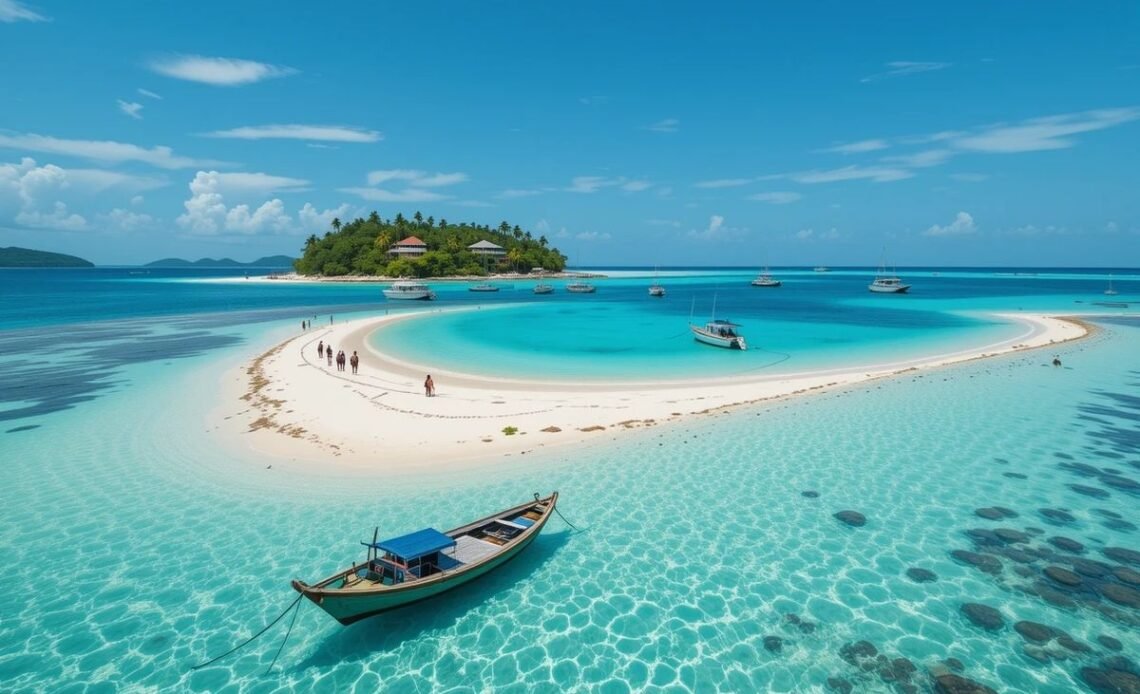
Most people who dream about Palawan already have a picture in their heads. Turquoise water. Limestone cliffs. A tiny boat cutting through a blue lagoon. Maybe a stretch of white sand with nothing but palm trees behind it.
And, to be fair, Palawan really does look like that.
But there is another side to the island province that doesn’t appear quite as often on Instagram. It is quieter, less polished and, in some places, still feels wonderfully remote. You have to travel a little farther, take a slower boat or simply accept that there may not be much waiting for you when you arrive.
That is exactly the appeal.
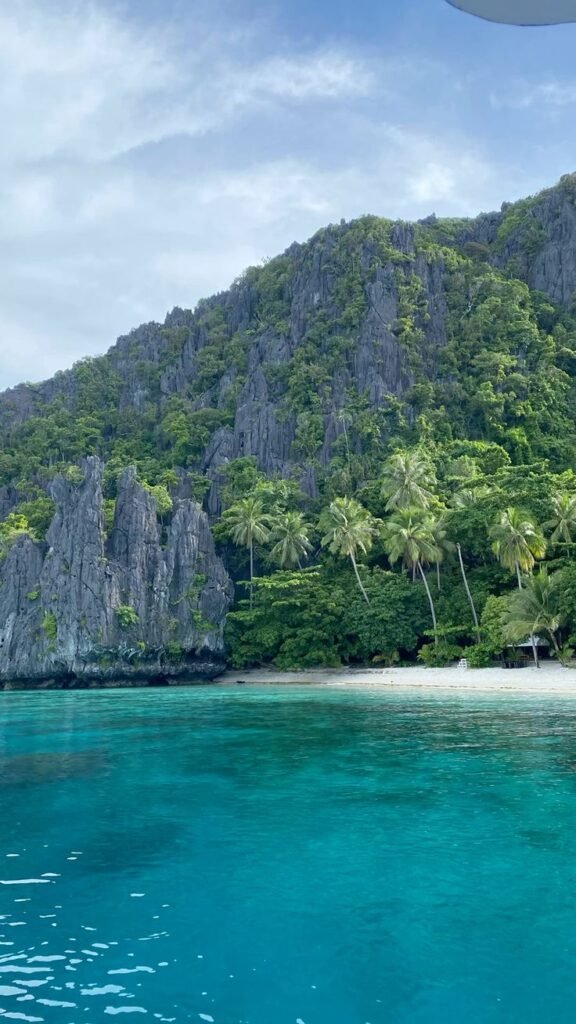
Palawan is made up of hundreds of islands and islets, and while places such as El Nido and Coron have become firmly established on the international travel map, large parts of the province remain much less visited. For travelers who would rather find a quiet shoreline than another crowded viewpoint, this is where the real adventure begins.
Leave the Famous Beaches Behind
El Nido is spectacular. There is no reason to pretend otherwise. Its limestone islands and hidden lagoons are among the most beautiful sights in the Philippines.
The same can be said for Coron, particularly if you enjoy diving, dramatic landscapes and clear water.
But once you move away from the busiest routes, the atmosphere changes.
Small islands around northern Palawan can feel almost sleepy. Boats become less frequent. There are fewer signs pointing toward attractions, and a beach may have nothing more than a few fishing boats pulled up on the sand.
Linapacan is one of those places that catches the attention of travelers looking for something different. Sitting between El Nido and Coron, the island is surrounded by remarkably clear water and smaller coastal communities. It doesn’t have the same resort-heavy feeling as some of Palawan’s better-known destinations.
And that’s the point.
You don’t come here because there are hundreds of things to do. You come because there aren’t.
A Beach Doesn’t Need a Name
One of the nicest things about traveling around Palawan by boat is that you can discover places almost by accident.
A stretch of sand appears around a bend. Someone suggests stopping for lunch. You jump into the water because it looks too inviting not to. For an hour or two, that little piece of coastline becomes the highlight of the day.
It is easy to understand why travelers become attached to these quieter parts of Palawan.
There is no pressure to see everything.
You swim. You eat. You talk. You watch the clouds move over the water.
Then you get back on the boat.
That simplicity can be surprisingly refreshing.
The Wild Side of Palawan
Palawan’s beauty isn’t limited to its beaches. Look inland and the landscape becomes much wilder.
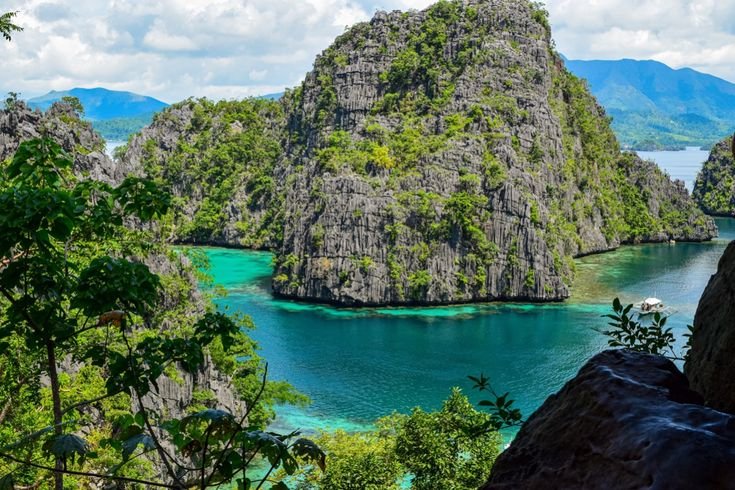
Dense forests cover parts of the province, while mangroves line sheltered coastlines. Coral reefs support an extraordinary range of marine life, and limestone formations rise dramatically from both land and sea.
The Puerto Princesa Subterranean River National Park is a good example of how different Palawan can be. The protected area combines forest, mountains, caves, rivers and coastal ecosystems, with the famous underground river running through a limestone karst landscape. It is also a UNESCO World Heritage Site. (UNESCO)
Further south, the Mount Mantalingahan Protected Landscape offers an entirely different experience. Mountains rise above the surrounding forests, and the area is important not only for biodiversity but also for Indigenous communities and their cultural heritage.
So, in a way, Palawan isn’t really a beach destination at all.
It is an entire world of landscapes connected by water.
Why People Are Looking for Quieter Places
There is a reason hidden beaches have become so appealing.
Travelers are tired of arriving somewhere beautiful only to discover that everyone else had exactly the same idea. Nobody wants to spend an hour waiting for a photograph or squeeze into a crowded boat when the whole point of the trip was to escape everyday life.
The quieter islands of Palawan offer something different.
Not luxury in the traditional sense. No marble lobby, room service or infinity pool necessarily.
Just space.
Space to swim without looking over your shoulder. Space to hear the sea. Space to sit on a beach without feeling like you’re standing in a queue.
That kind of experience is becoming rare.
But “Undiscovered” Doesn’t Mean Unprotected
There is one important thing travelers should remember.
The fact that a place isn’t crowded doesn’t mean it is untouched or belongs to tourists.
Palawan’s ecosystems are fragile, and many areas are protected. Coral reefs, mangroves, forests and wildlife all need careful management. Local communities also have a stake in how tourism develops.
So if you do find one of those quiet beaches, treat it accordingly.
Don’t leave rubbish behind. Don’t stand on coral. Follow local rules. Use local guides when required, and don’t assume that every island is open for unrestricted exploration.
The best kind of responsible travel is almost invisible.
You arrive, enjoy the place and leave it looking much as you found it.
Before Palawan Changes Again
Nobody knows how long some of Palawan’s quieter corners will remain quiet.
More hotels will arrive. More boats will follow. A beach that feels completely unknown today could become a popular day-trip stop a few years from now.
That isn’t necessarily a bad thing. Tourism supports many communities across the Philippines.
But for now, there are still places in Palawan where the old feeling survives.
A boat engine cuts across an empty stretch of blue water. Someone is fishing from a wooden canoe. Palm trees move in the afternoon breeze. There is no music playing from a beach bar, no line of tourists waiting for a photograph.
Just the island.
And for many travelers, that is exactly what they came all this way to find.