

If you’ve bought anything from Zara over the last five or ten years, you know the drill. You wear a jacket for a season, get tired of seeing it in your closet, and either toss it in a donation bin or throw it up on Depop or Poshmark for fifteen bucks.

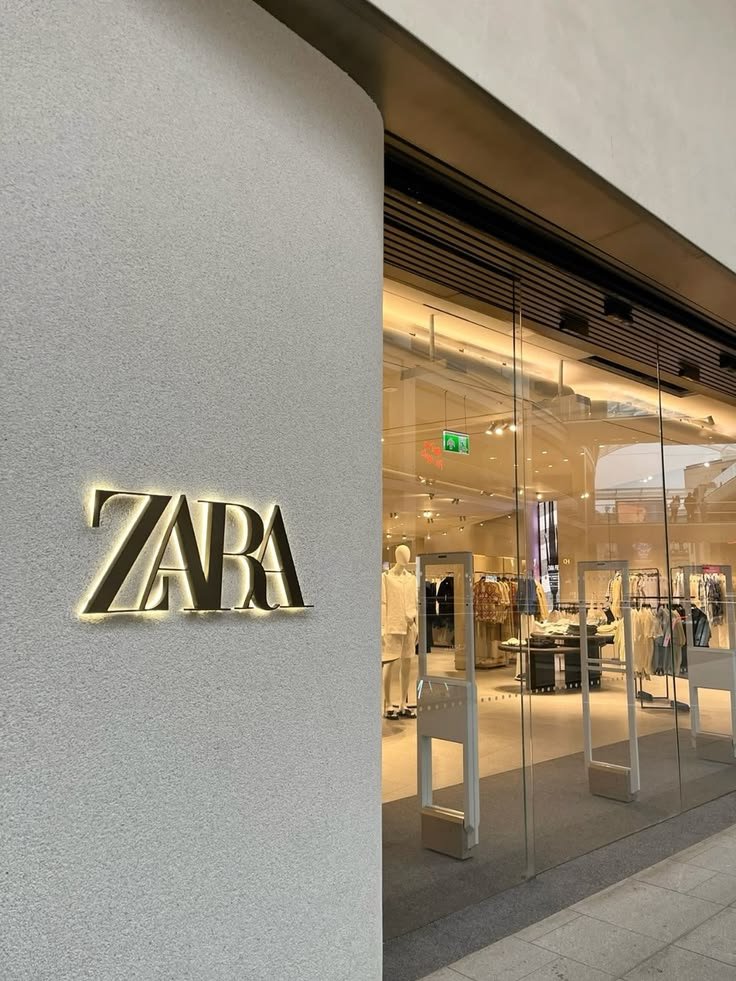
For a really long time, fast-fashion brands were completely fine with that setup. Their entire business was built on churning out cheap clothes, selling them as fast as humanly possible, and forgetting you ever existed the second your credit card cleared. What happened to a dress after it left the store was your problem, not theirs.
That’s why the expansion of Zara Pre-Owned feels like such a weird, fascinating plot twist.
If you open the main Zara app now in a lot of parts of the world, you’ll find a dedicated section where you can actually buy, sell, or even request repairs on secondhand Zara clothes. The world’s biggest fast-fashion company isn’t just watching people flip their old clothes anymore—they want a cut of the deal.
Why the Sudden Change of Heart?
It’s easy to look at a move like this and assume it’s just a clever PR stunt to make a fast-fashion monster look green and responsible. And sure, part of it is definitely about cleaning up their image. But if you look a little closer at where the industry is heading, this is mostly about survival and money.
First of all, secondhand clothing isn’t a niche side hustle for teenagers anymore; it’s a massive, multi-billion-dollar market. For years, apps like Vinted and ThredUp were making millions of dollars off transactions involving used Zara clothes, while Zara itself didn’t make a single cent. By building their own resale platform directly into their app, Zara keeps you inside their ecosystem. And let’s be honest—when you sell an old sweater on Zara Pre-Owned, where do you think that store credit is going to get spent?
On top of that, lawmakers in Europe and North America are finally starting to crack down on textile waste. Governments are pushing new regulations that force clothing companies to take some degree of financial responsibility for where their products end up. Setting up repair services and resale channels now is Zara’s way of getting ahead of the legal hammer before it drops.
Can Fast Fashion Ever Actually Be Sustainable?
This is where things get messy, though. There’s an undeniable irony to a company that drops thousands of brand-new styles every single week suddenly lecturing its customers about the beauty of circular fashion.

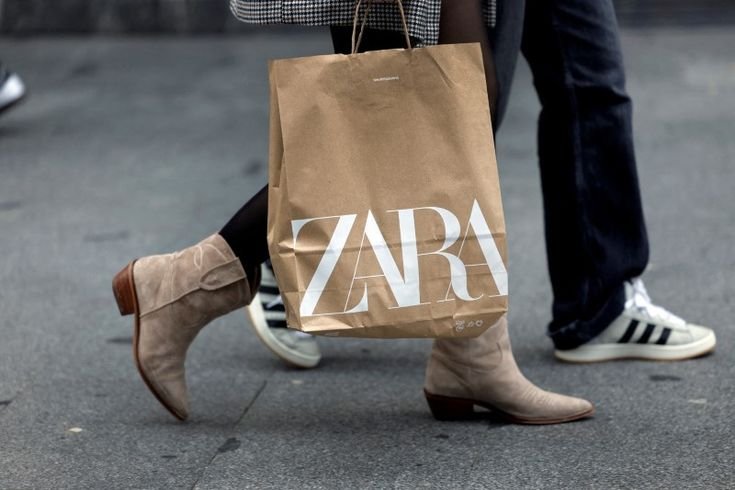
The real danger with brand-owned resale is that it can easily become a loop that actually encourages more consumption. If selling your used coat on Zara Pre-Owned feels super convenient, and you immediately use that money to buy two brand-new polyester tops off the main site, the total amount of clothes being manufactured hasn’t gone down at all. It just makes us feel less guilty about buying stuff we don’t need.
For resale to actually help the planet, companies have to slow down their factory output. And so far, nobody in fast fashion has shown any real appetite for producing less stuff.
What This Means for the Rest of Us
Even with all the valid skepticism around it, you can’t ignore how big of a shift this is. When the biggest player in global fashion bakes secondhand buying and repair right into its front door, resale stops being a quirky alternative and officially becomes the default way people shop.
We’re moving toward a future where the line between “new” and “used” clothes is going to get pretty blurry. Whether that actually saves the planet or just gives us a smoother way to keep shopping remains to be seen—but either way, the old fast-fashion model is officially dead.