


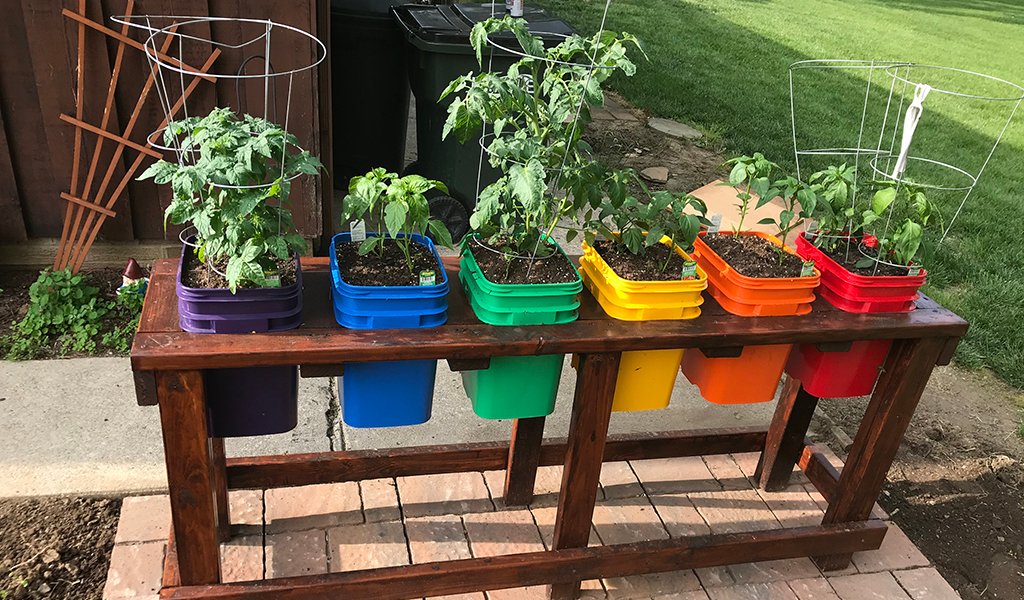
Think you need a sprawling backyard to grow your own vegetables? Think again. Even if you live in a tiny apartment or a home with no garden space, you can enjoy the satisfaction of harvesting fresh, homegrown produce—all from pots, containers, or even repurposed buckets. Container gardening is not only space-efficient but also perfect for beginners, as it allows you to control soil quality, drainage, and sun exposure more easily.
Here are some of the best vegetables to grow in pots, along with tips for keeping them happy and productive.
1. Tomatoes
Tomatoes are one of the most popular container vegetables, and for good reason—they thrive in pots if given plenty of sun.
- Pot size: At least 12–18 inches deep.
- Care tips: Place them in a sunny spot (6–8 hours of sunlight daily), water regularly, and use a tomato cage or stakes for support. Cherry tomato varieties like Tiny Tim or Balcony Yellow are ideal for small spaces.

2. Lettuce & Salad Greens
Fast-growing and easy to harvest, leafy greens are a must for container gardens.
- Pot size: 6–8 inches deep.
- Care tips: Keep soil consistently moist, and grow in partial sun to avoid leaf burn. Mix varieties like romaine, butterhead, and arugula for a continuous salad supply. You can cut the outer leaves and let the plant keep producing.
3. Peppers
From sweet bell peppers to spicy chilies, peppers love the warmth of pots in sunny balconies or patios.
- Pot size: 12–14 inches deep.
- Care tips: Provide 6–8 hours of sunlight, water when the topsoil feels dry, and add a slow-release fertilizer for bigger harvests.
4. Spinach
This cool-weather green grows quickly and can be harvested multiple times.
- Pot size: 6–8 inches deep.
- Care tips: Keep soil moist and place pots in a sunny to partially shaded location. Harvest leaves from the outside, allowing new growth in the center.
5. Radishes
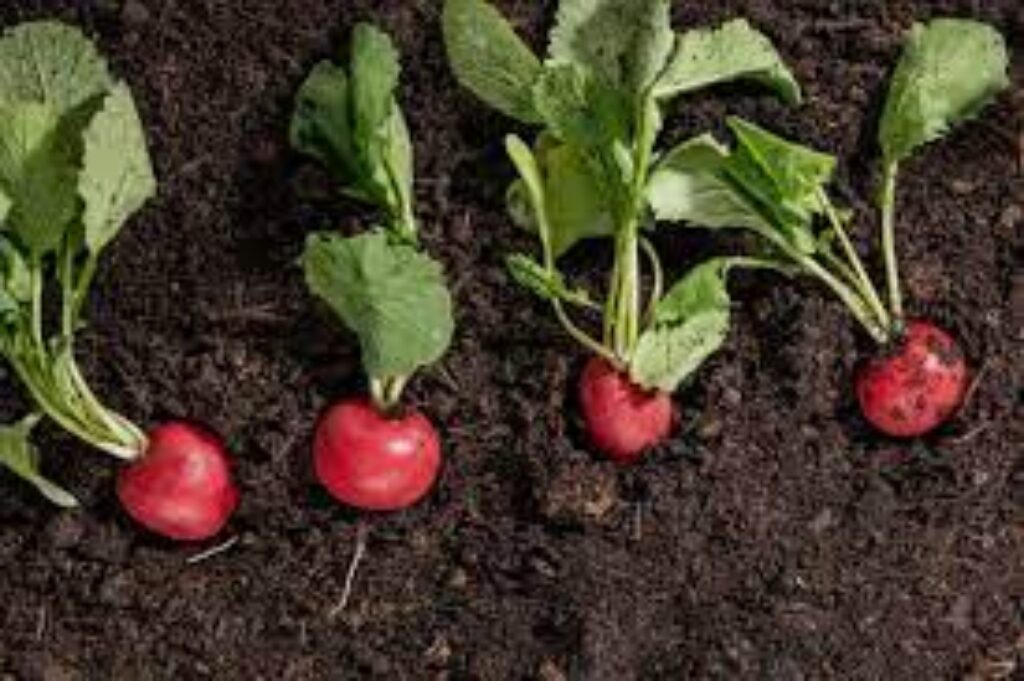
If patience isn’t your virtue, radishes are your vegetable. Some varieties mature in just 25 days.
- Pot size: 6–8 inches deep.
- Care tips: Sow seeds directly in the container, keep soil loose, and thin seedlings for proper root development.
6. Carrots
Carrots adapt surprisingly well to pots, as long as you choose the right variety.
- Pot size: 12 inches deep or more.
- Care tips: Use deep, loose, stone-free soil for straight roots. Varieties like Short ‘n Sweet or Thumbelina are perfect for container growing.
7. Green Beans
Bush bean varieties are great for containers, producing lots of beans without needing trellises.
- Pot size: 12 inches deep.
- Care tips: Ensure full sun exposure and water regularly. Harvest often to encourage more production.
8. Cucumbers
Yes, you can grow cucumbers in pots—especially compact or dwarf varieties.
- Pot size: 12–14 inches deep.
- Care tips: Provide a small trellis or cage, water consistently, and keep them in full sun. Avoid letting soil dry out, as this can cause bitter fruit.
9. Herbs (Bonus!)

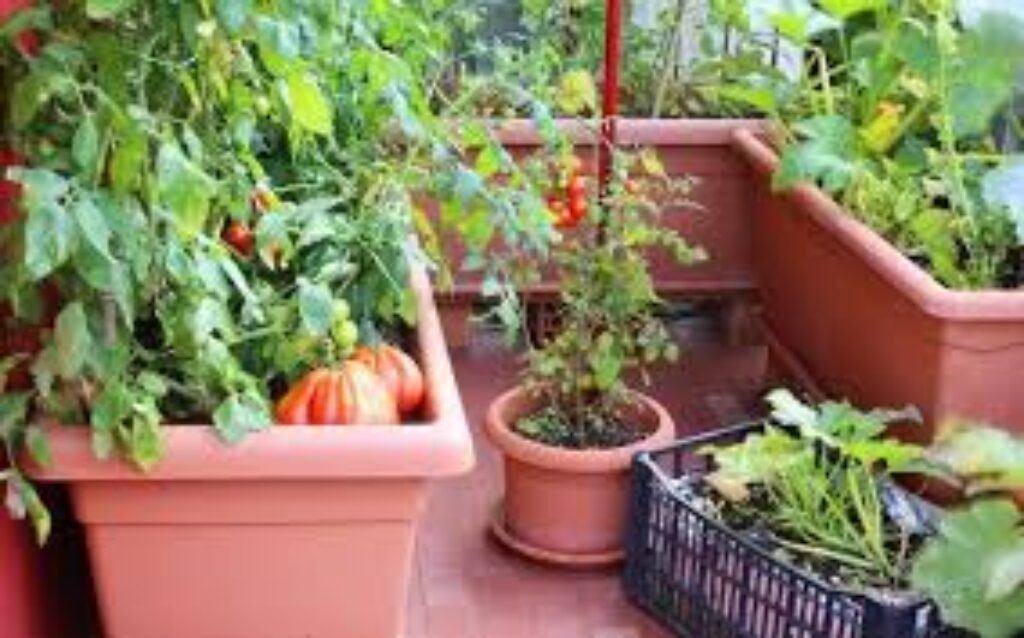
While not vegetables, herbs like basil, parsley, mint, and cilantro are perfect for pots and can enhance every dish you cook.
- Pot size: 6–8 inches deep.
- Care tips: Most herbs love full sun and well-draining soil. Keep them near your kitchen for easy access.
Tips for Successful Container Gardening
Growing vegetables in pots is easy, but a few best practices will help your plants thrive:
- Choose the right pot size – Too small, and roots will be cramped; too large, and soil may hold too much water.
- Use quality potting mix – Garden soil is too heavy for pots; choose a mix designed for containers.
- Ensure good drainage – Pots should have drainage holes to prevent root rot.
- Feed regularly – Container plants use up nutrients quickly; add compost or a balanced liquid fertilizer every couple of weeks.
- Rotate and move pots – If sunlight shifts during the day, move containers to maximize exposure.
- Water consistently – Pots dry out faster than garden beds; check soil moisture daily in hot weather.
Conclusion
With the right containers, soil, and a little attention, you can grow a mini vegetable garden on a balcony, windowsill, or rooft