


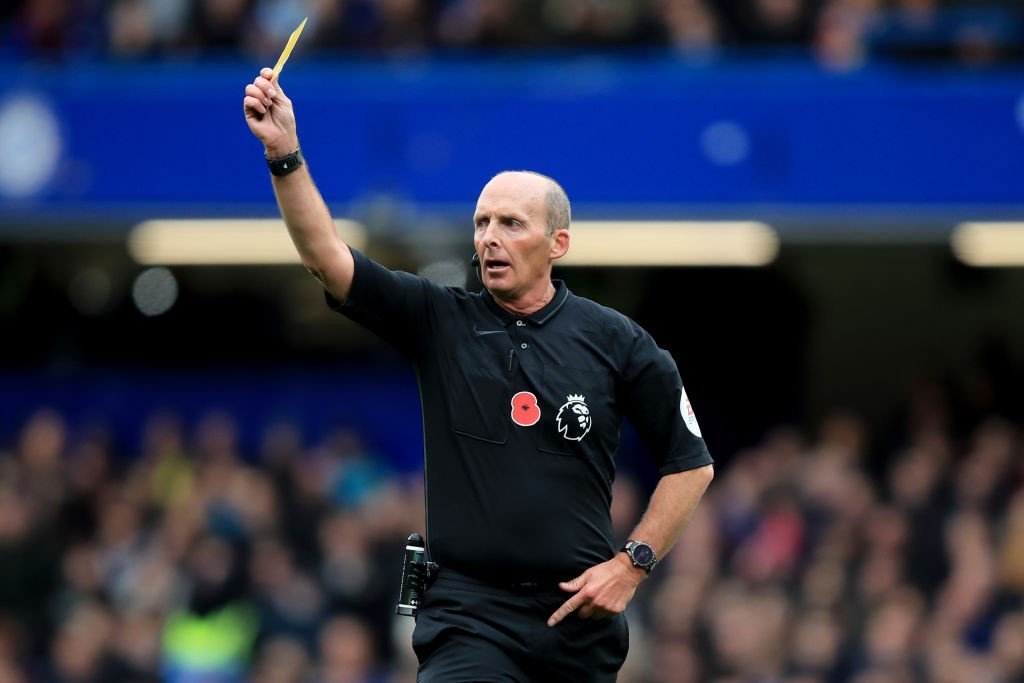
In the world of professional football, few things ignite debate faster than a controversial referee decision or a headline-grabbing player transfer. These moments often extend far beyond the pitch, dominating media coverage, dividing fans, and sometimes even reshaping entire seasons. Whether it’s a disputed penalty in a title decider or a superstar switching rival clubs, controversy has become an unavoidable part of the modern game.
The Split-Second That Changes Everything
Referees operate under immense pressure. In a match that unfolds at lightning speed, they must make split-second decisions that can determine championships, relegations, and careers. A missed handball, an offside call by inches, or a debatable red card can shift momentum instantly.

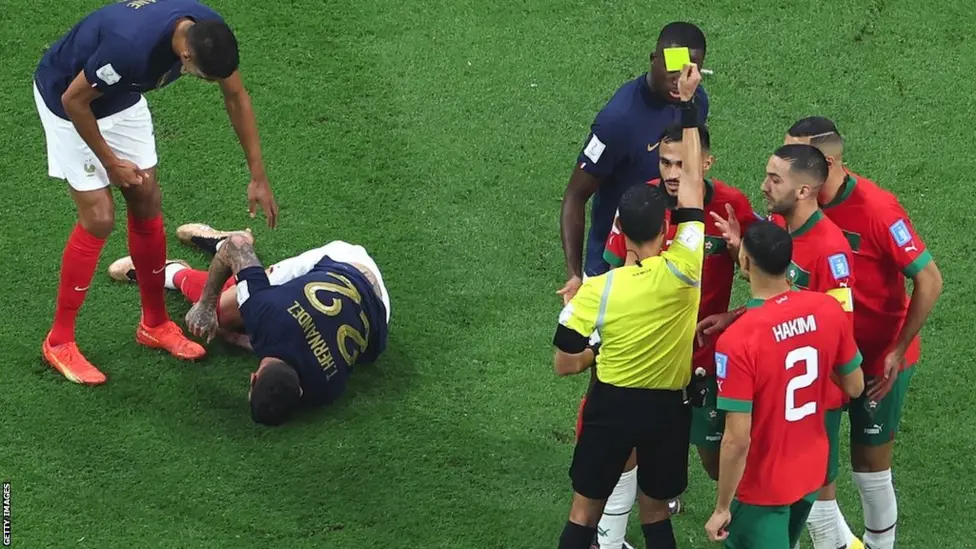
Technology such as VAR (Video Assistant Referee) was introduced to reduce errors and increase fairness. While it has corrected many clear mistakes, it has also created new debates. Slow-motion replays often magnify minor contact, leading fans to question whether the spirit of the game is being preserved. What was once a simple referee’s judgment call is now dissected frame by frame across social media.
Controversial decisions can linger for years. Supporters may still reference a disputed goal or penalty as the turning point in a season. In high-stakes tournaments, one call can alter the trajectory of national pride or club legacy.
The Emotional Fallout
When refereeing decisions go against a team, emotions run high. Managers may criticize officiating in post-match interviews, risking fines. Players express frustration, sometimes crossing disciplinary lines. Fans flood social platforms with slow-motion clips and heated arguments.
Yet controversy also fuels engagement. Debates dominate sports talk shows and online forums. In many ways, these moments keep football culturally alive between matches. The drama extends beyond the 90 minutes, becoming part of the sport’s storytelling.
Still, for referees themselves, the pressure is intense. Unlike players who can redeem themselves in the next match, referees often face public scrutiny without much protection. Their performance reviews happen under the glare of millions.
Transfers That Shock the Football World
If refereeing controversies spark anger, controversial transfers ignite emotion on a different level. When a beloved player leaves for a rival club, it can feel like betrayal. Fans invest not just money but identity and loyalty in their teams, and player movements challenge that connection.
Modern football operates in a globalized market. Billion-dollar broadcasting deals and commercial sponsorships have inflated transfer fees to staggering heights. Record-breaking moves grab headlines, but they also raise questions about financial fairness and competitive balance.
When a star player forces a transfer or leaves after contract disputes, narratives quickly form. Was it about ambition? Money? Loyalty? Clubs and agents often release carefully worded statements, but speculation thrives.
In some cases, a controversial transfer can redefine a rivalry. A player who once celebrated goals for one side might later score against them in a crucial fixture, intensifying emotions on both ends.
Media Amplification in the Digital Age
In previous decades, controversial moments were discussed in newspapers and post-match analysis shows. Today, they trend globally within minutes. Social media platforms amplify every angle, screenshot, and fan reaction.
Clips circulate instantly, often without full context. Debates become polarized quickly, with supporters defending their perspective passionately. Hashtags trend, memes spread, and narratives solidify before official statements are released.
This rapid amplification increases pressure on governing bodies to respond swiftly. Leagues may issue clarifications, release audio between referees and VAR officials, or conduct internal reviews to maintain transparency.
The Fine Line Between Drama and Distrust
Controversy has always been part of football’s DNA. It adds unpredictability and keeps supporters emotionally invested. However, there is a delicate balance. When refereeing errors or opaque transfer dealings create a perception of unfairness, trust in the system can erode.

Transparency and communication are increasingly important. Clear explanations of decisions, financial regulations, and disciplinary processes help maintain credibility. Without them, speculation can overshadow sport.
Why Controversy Endures
At its heart, football is more than a game; it is a cultural phenomenon intertwined with identity, community, and passion. Controversial referee decisions and shocking transfers endure because they tap into these deep emotions.
They spark arguments in living rooms and cafés. They dominate headlines and social feeds. They create villains and heroes. And ultimately, they remind us why sport matters — because it feels personal.
In a world where every moment is analyzed and shared instantly, controversy is unlikely to disappear. Instead, it will continue to shape modern football, ensuring that the drama off the pitch is often as compelling as the action on it.