


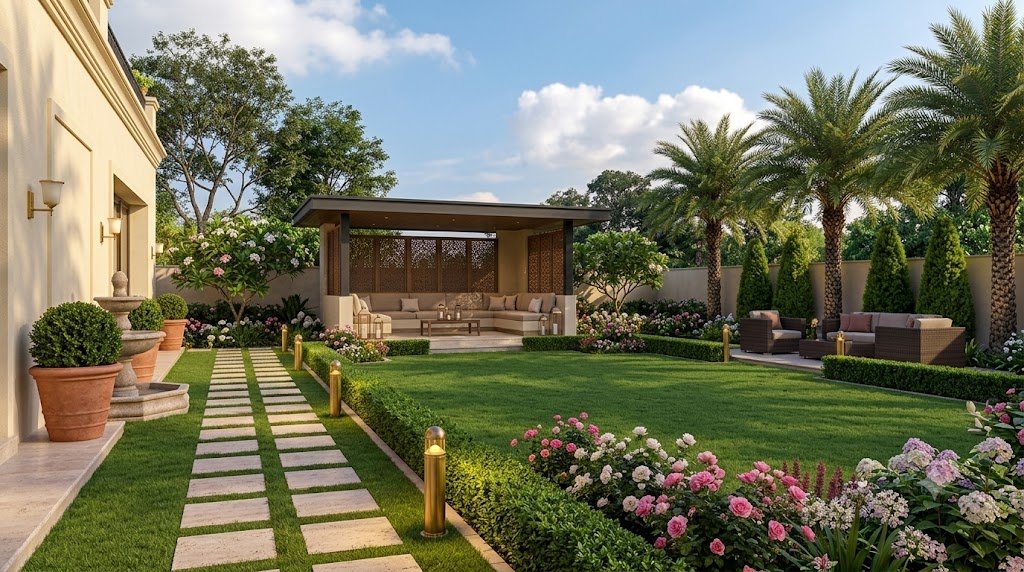
If you’ve taken a walk through a garden center lately, you’ve probably noticed two completely different philosophies sitting side by side on the benches.
On one side, you’ve got the showstoppers—dramatic tropicals, delicate English roses, and brilliant Japanese maples that look like they belong in a coffee-table book. On the other side, there are local wildflowers, rugged prairie grasses, and native shrubs that look like they were plucked right out of a nearby state park.
For decades, most of us treated gardening like interior design, but with dirt. We picked whatever looked pretty at the nursery, dumped a bag of fertilizer into the hole, and dragged out the hose whenever the leaves started to droop.

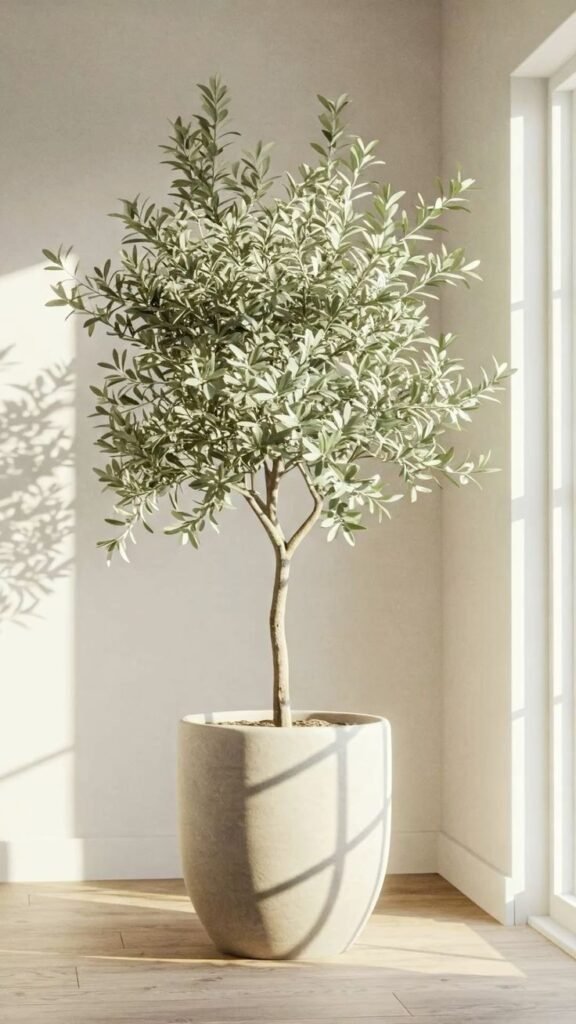
Lately, though, the way people talk about their yards has shifted. Between weird weather swings, longer dry spells, and a noticeable lack of bees and butterflies in the neighborhood, a lot of gardeners are starting to wonder if our yards should be doing a bit more work than just looking nice for the neighbors.
That doesn’t mean you have to rip out every rose bush you love. It just means we’re getting smarter about what we put in the ground.
Why Native Plants Are Having a Moment
When people talk about native plants, all they really mean are the species that have grown in your specific part of the world for thousands of years. Because they grew up there, they already know how to handle the local climate without throwing a fit.
If your region gets three weeks without rain in mid-summer, native plants usually couldn’t care less. Their roots stretch way down into the soil—sometimes five or six feet deep—finding moisture that shallow lawn grass or imported annuals can’t reach. Once they’re established, you barely have to touch them with a hose.
Beyond saving you a headache on your water bill, natives are essentially the drive-thru for local wildlife. The bees, songbirds, and butterflies in your town evolved alongside these exact plants. Swapping a patch of plain turf or imported shrubs for native coneflowers, milkweed, or local salvia turns a quiet yard into an actual sanctuary for local pollinators that are struggling everywhere else.
The Problem with Relying Only on Exotics
None of this means exotic plants are inherently bad. There’s a reason non-natives became backyard staples in the first place—they’re stunning, they offer unusual textures, and many of them bloom for months on end.
The downside is that growing something far away from its home usually takes a lot of babysitting. Many imported flowers need rich, heavily amended soil, constant watering, and extra protection from pests because they simply aren’t built for your local conditions.
There’s also the problem of runaway species. A few popular imports—like English ivy, burning bush, or Japanese barberry—have a habit of jumping the fence and taking over local woods, crowding out native flora that birds and animals rely on.
Relying entirely on exotic plants creates a garden on life support. The moment you stop watering, fertilizing, or spraying, the whole thing falls apart.

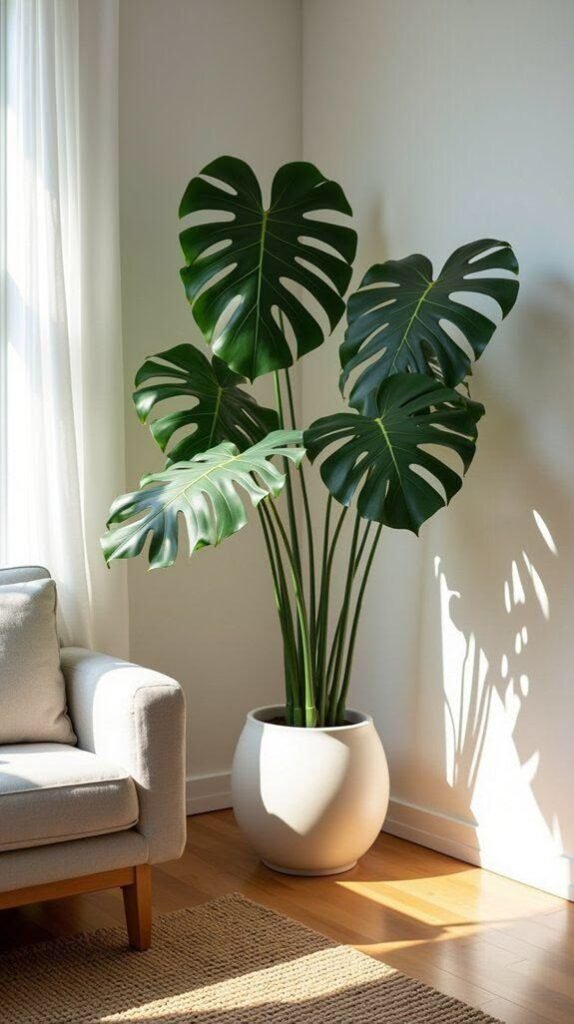
The Middle Ground: Building a Hybrid Garden
So, what actually belongs in a modern garden? You don’t need to choose a side in an internet argument or turn your yard into a messy weed patch to be a good gardener.
The most practical approach—and what a lot of smart landscape designers are doing now—is setting up a hybrid garden.
Think of native plants as the structural bones of your yard. If about 70% of your beds are filled with deep-rooted native perennials, grasses, and local shrubs, you’ve built a tough, low-maintenance foundation that supports local birds and insects and holds up against heatwaves.
Once that framework is in place, go ahead and plant a few non-native favorites for fun. Put a dwarf Japanese maple where you can see it from the kitchen window, or keep a couple of Mediterranean lavender plants by the back steps for the smell.
When your native plants are doing the heavy lifting to keep the yard healthy and resilient, your exotic accents get to shine without sucking up all your free time on the weekend.
Letting the Yard Work With You
At the end of the day, a great garden shouldn’t feel like a second job.
The era of fighting against your local soil with chemical sprays and daily sprinklers is pretty much over. By leaning into the natural strength of native plants while keeping room for a few sentimental favorites, you end up with a yard that looks great, takes care of itself, and feels a whole lot more connected to the world around it.