


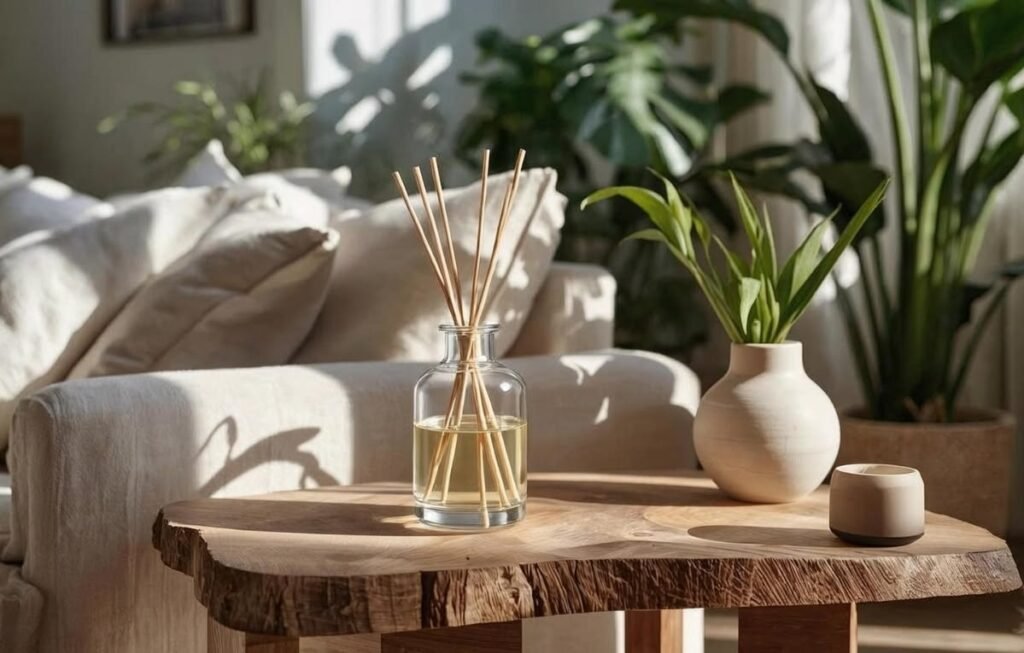
For most of modern history, perfume was something we wore for the benefit of other people. It was the final, invisible accessory we threw on before walking out the door—a quick spritz on the wrists for a date night, a heavy floral for a big presentation, or a signature scent meant to linger in the elevator long after we left.

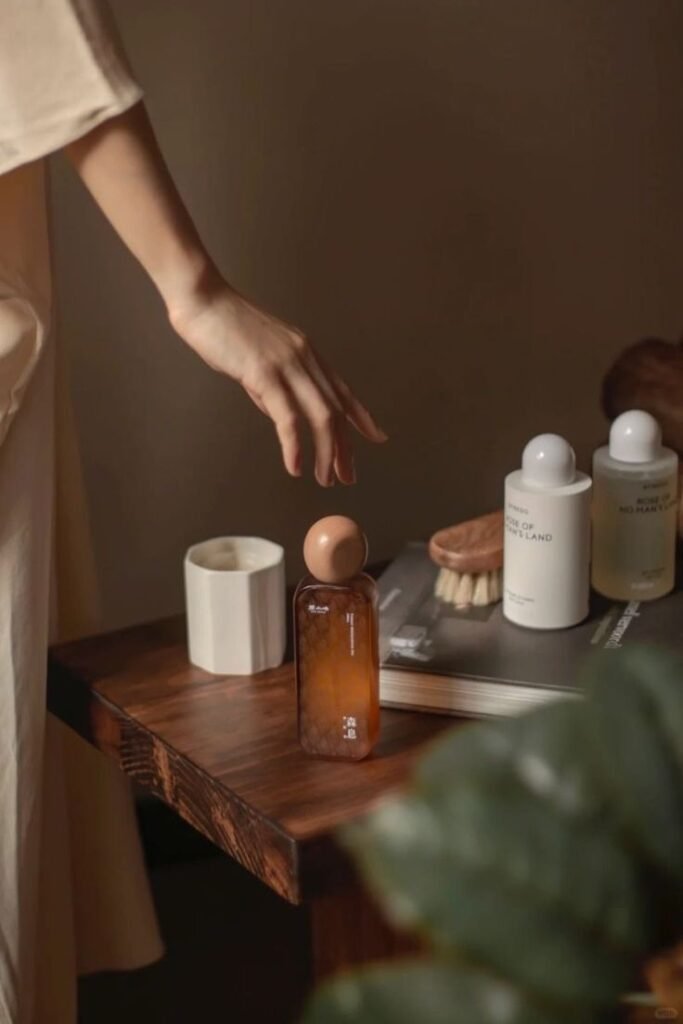
But lately, there is a quiet, highly personal shift happening on our vanities. People are buying luxury perfumes and applying them right before they climb into bed, or quietly rolling them onto their pulse points just before a stressful Zoom call.
Welcome to the era of the wellness fragrance.
Also known as “functional fragrances” or “neuroscents,” this emerging category is completely flipping the beauty industry upside down. Scent is no longer just about smelling good to the outside world; it’s about feeling good inside your own head. Here is why the fragrance industry is doubling down on mood medicine, and how it actually works.
The Brain-Nose Connection: Why It Actually Works
It’s easy to dismiss wellness fragrances as just another wellness buzzword, sitting on the same shelf as crystal-infused water bottles. But there is a very real, hard-wired biological reason why beauty brands are investing millions into this space.
When you smell a traditional perfume, your brain registers the scent. But when you inhale something deeply, those odor molecules travel straight to your olfactory bulb, which has a direct, VIP hotline to the limbic system. The limbic system is the ancient, primal part of your brain that controls emotions, memories, and your fight-or-flight stress response.
Unlike hearing or seeing, where information is processed and filtered before you react, smell hits your emotional center instantly. Brands are now partnering with neuroscientists to map exactly which scent compounds trigger specific brainwaves. They aren’t just guessing that lavender makes you sleepy; they are using brain-mapping technology to prove that specific concentrations of botanical extracts actively lower your heart rate and reduce cortisol.

From Aesthetics to Emotional First Aid
So, why is this happening right now? The wellness fragrance boom is a direct response to our collective burnout.
We live in an era of constant hyper-stimulation. We are over-caffeinated, chronically online, and desperately seeking micro-moments of peace that don’t require an hour of meditation. Perfume brands realized that a beautiful scent is essentially a wearable, invisible mood-shifter.
Instead of naming perfumes after romantic concepts (like “Midnight in Paris”), the new wave of fragrance is aggressively functional. You’ll find labels explicitly designed to help you Focus, Rest, or Reset.
- For Anxiety: Scents heavy with frankincense, grounding vetiver, and clary sage are formulated to mimic the smell of damp earth, instantly grounding a racing mind.
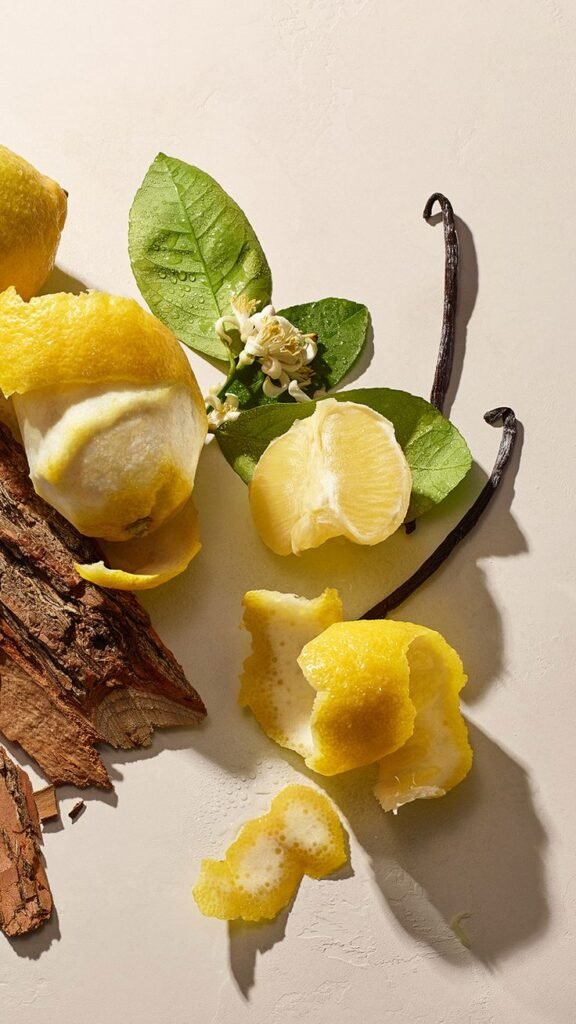
- For Energy: Instead of a second cup of coffee, people are reaching for bright, sharp notes of yuzu, bergamot, and pink pepper to snap their brains into a state of alertness.
- For Sleep: Brands are creating “sleep perfumes” layered with chamomile, sandalwood, and soft musks, meant to be sprayed on your chest and pillows to signal to your brain that the day is officially over.
How to Build a Mood Wardrobe
If you want to start experimenting with neuroscents, you have to let go of the idea of a single “signature scent.” Just like you wouldn’t wear a tailored suit to go to sleep, you shouldn’t rely on one perfume to carry you through every emotional state of your day.
Instead, think of building a fragrance wardrobe that serves your daily routine. Keep a bright, citrus-heavy rollerball at your desk for that 3:00 PM afternoon slump. Keep a deep, smoky cedarwood fragrance by your front door to help you transition from “work mode” to “home mode” the second you walk inside.
The real takeaway here? For decades, the beauty industry sold us products based on our insecurities. We bought perfume to be noticed, to be remembered, or to be deemed attractive. The rise of the wellness fragrance is a beautiful, quiet rebellion against that. It’s proof that in 2026, the ultimate luxury isn’t about impressing anyone else—it’s about finding a moment of calm just for yourself.