


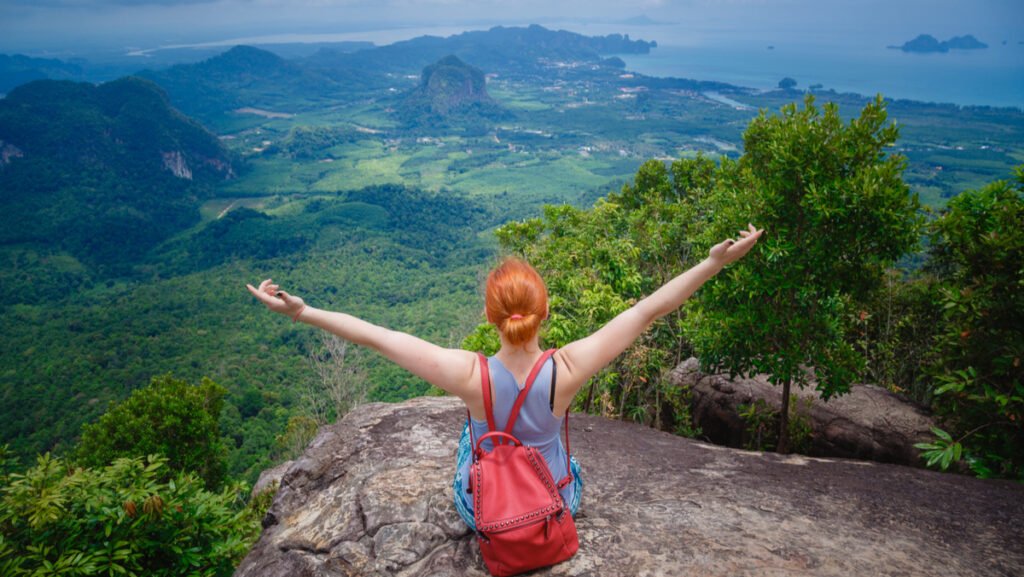
In a world that moves faster every day, travel has become more than a break from routine—it’s a way to reconnect with ourselves, new cultures, and the world’s natural beauty. But as travelers seek deeper, more authentic experiences, a new trend is reshaping how we explore the planet: slow, meaningful travel. Instead of rushing through crowded itineraries and checking off bucket-list attractions, today’s adventurers are choosing journeys that emphasize connection over speed and experiences over landmarks.


Slow travel isn’t defined by a strict itinerary—it’s a mindset. It encourages you to immerse yourself in a destination, understand its rhythm, meet its people, and allow your curiosity to guide you. This approach creates a more enriching and memorable journey that lingers long after you return home.
One of the biggest appeals of slow travel is the opportunity to stay longer and explore deeper. Instead of city-hopping across Europe in one week, travelers might spend that entire week in a single region—perhaps Tuscany’s rolling countryside, Portugal’s tranquil Algarve coast, or Kyoto’s serene temples and gardens. Staying in one place opens the door to rich cultural experiences: chatting with local shop owners, tasting home-style cuisine, learning a craft, or wandering hidden streets that aren’t mentioned in guidebooks.
Slow travel also encourages choosing unique accommodations that reflect the character of a place. Whether it’s a family-run guesthouse, a historic inn, a boutique eco-lodge, or a countryside homestay, where you stay becomes part of your travel story. These accommodations often offer a personal touch—warm conversations, local recommendations, and insights into traditions that you won’t find in typical tourist hotspots.
Another benefit of this travel style is the chance to embrace local transportation. Instead of quick flights between destinations, slow travelers may choose scenic trains, local buses, ferries, or even bicycles. Taking the coastal train from Barcelona to Marseille, riding Japan’s rural railways, or cycling through Vietnam’s lantern-lit countryside can be experiences in themselves—immersing you in landscapes that would be missed from 30,000 feet.
Food is also at the heart of meaningful travel. Slow travelers make it a point to taste a destination’s true flavors, from street food stalls to farmers’ markets and family-run restaurants. These experiences tell stories of heritage and generational recipes. Imagine savoring a bowl of pho made by a grandmother in Hanoi, enjoying handmade gelato in a small Sicilian town, or tasting fresh pastries from a bakery that has been part of a community for a century. These are the flavors that define a place.
One of the most rewarding aspects of slow travel is how it fosters authentic human connections. When you’re not rushing from one attraction to the next, conversations unfold naturally. You might learn about a fisherman’s daily life on a Greek island, share chai with a shopkeeper in Jaipur, or join a cooking class hosted by a local family in Chiang Mai. These encounters stay with you—they shape your understanding of the world in ways that no brochure can replicate.
Slow travel is also kinder to the planet. By spending more time in fewer places, using low-impact transportation, and supporting local businesses, you reduce your travel footprint and contribute positively to communities. It’s a mindful way of exploring the world with respect and gratitude.


Ultimately, slow, meaningful travel is about reclaiming the joy of exploration. It reminds us that travel doesn’t have to be hectic or fast-paced to be fulfilling. Sometimes, the most transformative moments happen when you pause—when you watch the sunrise from a quiet beach, sip coffee overlooking a small town square, or wander down a path simply because it looks interesting.
As more travelers seek depth, authenticity, and connection, slow travel is becoming not just a trend but a lifestyle. It invites you to breathe, observe, engage, and fully appreciate the beauty of each moment. And in doing so, it transforms every journey into a story that becomes part of who you are.