


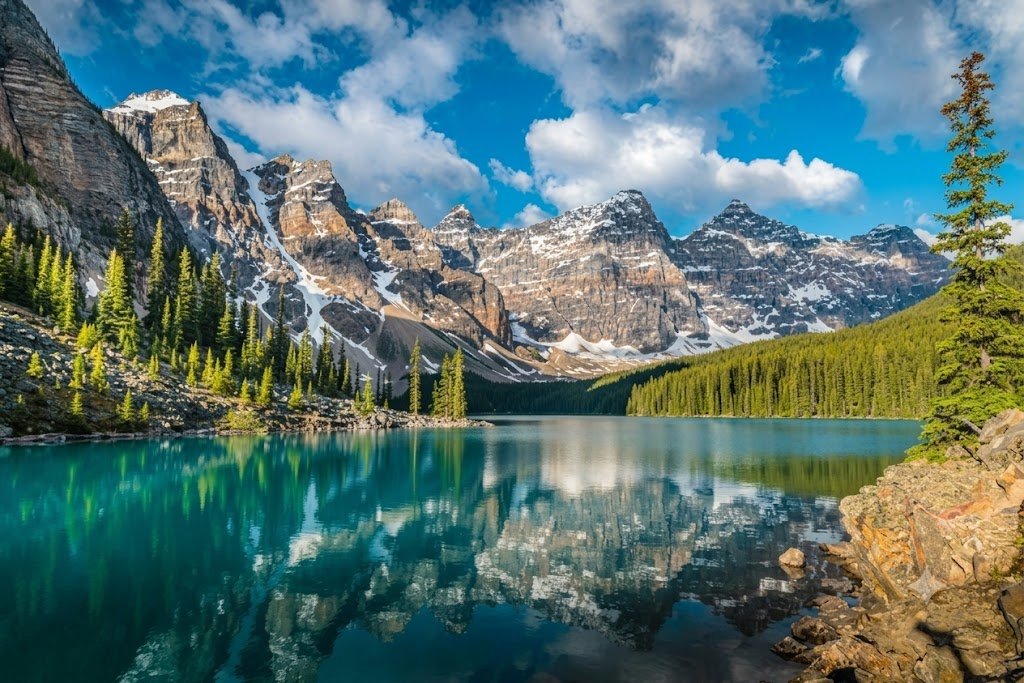
Spanning thousands of miles across Central Asia, the Tien Shan—meaning the “Heavenly Mountains”—form one of the most formidable, colossal alpine systems on the planet. Straddling the rugged borders of Kyrgyzstan, Kazakhstan, and China, this vast range holds jagged 7,000-meter peaks, massive glaciers, and sprawling high-altitude pastures.
Yet while overcrowding, permit queues, and commercialization dominate major routes in the Himalayas, the Tien Shan remains remarkably empty. For mountaineers, wilderness trekkers, and curious travelers seeking genuine adventure, this immense system stands as Central Asia’s last great unclimbed frontier.

Why the Tien Shan Remains So Wild
Unlike the European Alps or the popular trekking hubs of Nepal, the Tien Shan stayed tucked away behind geopolitical layers for decades. During the 20th century, strict Soviet border controls kept international expeditions largely out of the region.
When the area opened up, its vast geographical scale and sparse infrastructure naturally preserved its wild character.
- Massive Scale, Small Footprint: The range stretches roughly 1,500 miles east to west. Beyond a few established base camps, vast swathes of these mountains see virtually no human foot traffic for months at a time.
- True Off-Grid Wilderness: Satellite phones and reliable local guides replace cell service and marked trails. Self-sufficiency isn’t a stylistic choice here—it’s a basic safety requirement.
- Pure Expedition Climbing: Dozens of 4,000 and 5,000-meter peaks throughout the range remain unnamed and unclimbed, offering modern mountaineers rare opportunities for first ascents.
Legendary Landmarks of the Range
For those venturing into the Kyrgyz and Kazakh sectors of the range, the landscape delivers some of the most dramatic mountain scenery anywhere on Earth.
Khan Tengri : The Marble Pyramid
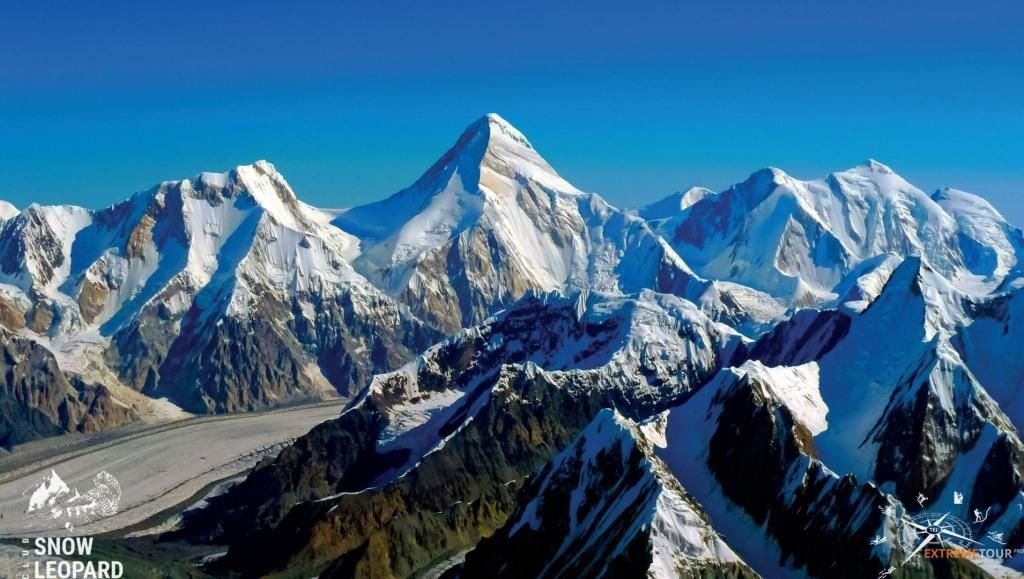
Rising sharply along the border of Kyrgyzstan, Kazakhstan, and China, Khan Tengri (22,998 feet / 7,010 meters) is widely considered one of the most beautiful peaks in the world. Its symmetrical, pyramid-shaped summit of white and pink marble glows deep red during sunset, earning it the local moniker Kan-Too, or “Blood Mountain.”
Inylchek Glacier: The Ice Highway
Feeding the high peaks is the South Inylchek Glacier, one of the longest glaciers outside the polar regions. Stretching over 37 miles, this massive river of ice provides the primary access route for expeditions heading toward Khan Tengri and its neighbor, Pobeda Peak (24,406 feet / 7,439 meters), the northernmost 7,000-meter peak on Earth.
Lake Ala-Kul: The Emerald Pass
You don’t need to be an elite mountaineer to experience the magic of the range. Treks leading up to Lake Ala-Kul—a high-altitude glacial lake perched at 11,600 feet—take hikers past hot springs, roaring rivers, and vibrant pine forests before opening up to sweeping views of turquoise water set against granite cliffs.

The Human Element: Nomad Culture on the Jailoos
What truly separates a journey through the Tien Shan from other global mountain ranges is the living cultural heritage woven into the valleys.
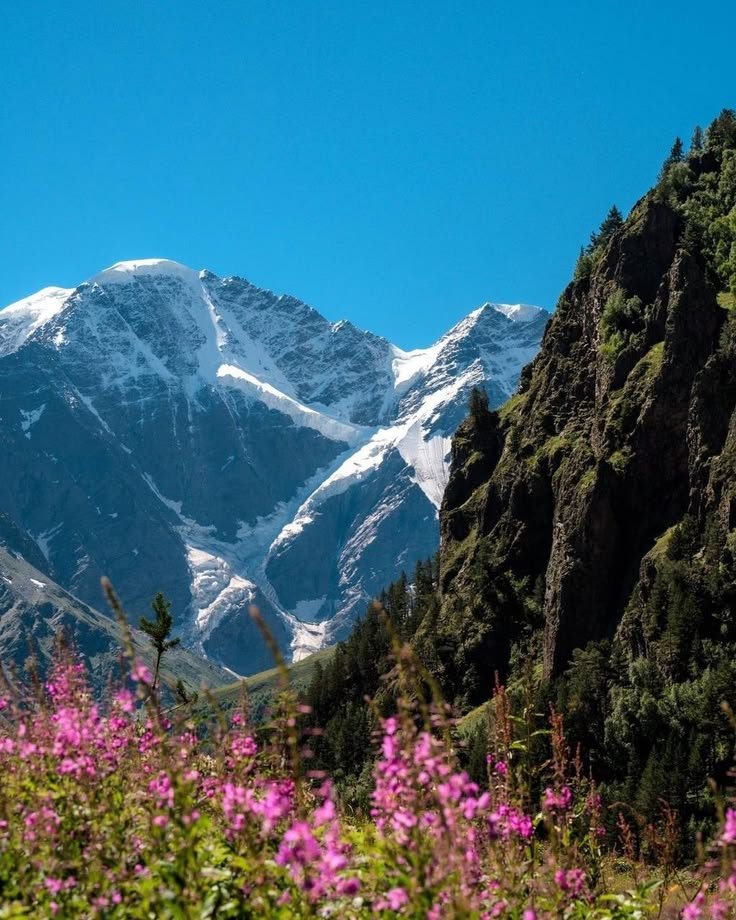
During the summer months, semi-nomadic Kyrgyz shepherds move their herds of horses, sheep, and yaks up to the jailoos—high-altitude summer pastures. White felt yurts dot the green valley floors, smoke drifting from their chimneys into the crisp mountain air.
Travelers trekking through these valleys are often welcomed into yurt camps with hot tea, fresh bread, and kymyz (fermented mare’s milk). It is a way of life that has adapted to the harsh mountain environment for centuries, remaining largely unchanged by modern urbanization.
Preparing for a Tien Shan Expedition
Exploring this region requires careful planning and respect for the environment:
- Border Permits: Because key trekking routes sit close to international borders, special border zone permits are required in advance.
- Variable Weather: High-altitude weather shifts rapidly. Sleet, snow, and severe winds can strike even in mid-July.
- Leave No Trace: With minimal park infrastructure, packing out all waste and treading lightly is essential to keep these remote valleys pristine.
The Takeaway
The Tien Shan offers a rare gift in the modern travel world: the feeling of stepping into the unknown. Whether you are trekking past alpine lakes, sharing tea in a shepherd’s yurt, or gazing up at unclimbed ice walls, these heavenly mountains prove that true, untouched wilderness still exists.