



There was a time when the perfect holiday meant ticking off ten cities in fourteen days — passport stamped, photo taken, done. Today, a quiet but powerful revolution is rewriting the rules of exploration. Slow travel is no longer a niche philosophy whispered among backpackers. It is a mainstream movement reshaping how millions of people think, plan, and experience the world.

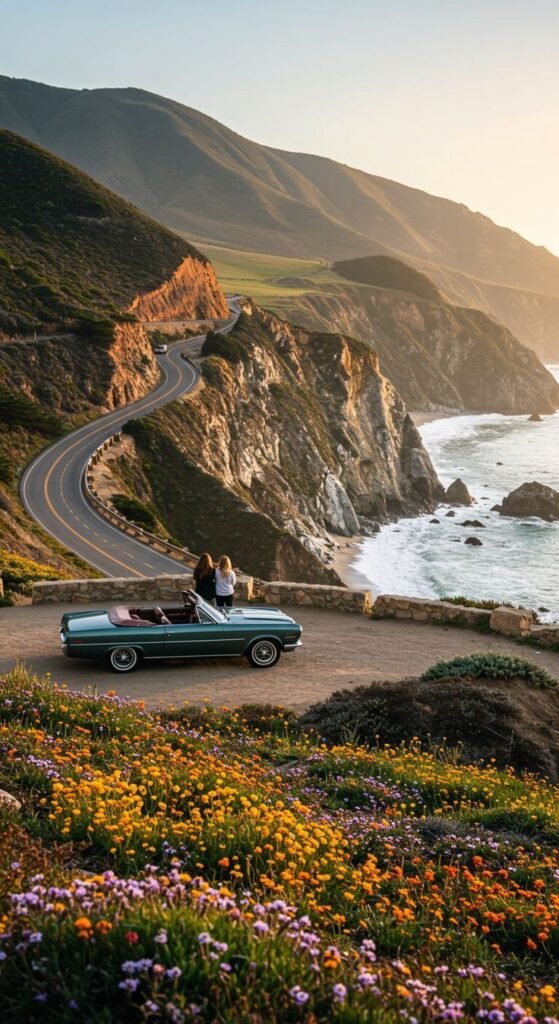
What Exactly Is Slow Travel?
Slow travel is not about being lazy or moving at a snail’s pace. It is a deliberate, intentional approach to travel that prioritises depth over distance and connection over collection. Instead of racing through a highlight reel, slow travellers spend weeks — sometimes months — in one place, living like a local rather than performing as a tourist.
Think renting an apartment in Lisbon for three weeks instead of a five-country European sprint. Think cooking in a Oaxacan family kitchen rather than ordering from a tourist-menu restaurant. Think cycling the backroads of rural Japan instead of bullet-training between Instagram spots.
The philosophy borrows from the broader Slow Movement — the same cultural counter-current that gave us slow food, slow fashion, and mindful living.
Why Is Slow Travel Surging Right Now?
Several powerful forces are converging to fuel this shift:
1. Post-Pandemic Recalibration
COVID-19 forced the world to stop. That enforced stillness taught many travellers something unexpected: rest felt good. When borders reopened, a significant portion of travellers returned with different priorities — presence over productivity, meaning over milestones.
2. Remote Work Has Unlocked Long-Term Travel
The rise of remote work and digital nomadism has structurally changed who can slow travel and for how long. With a laptop and a reliable Wi-Fi connection, millions of professionals can now work from Bali, Medellín, or Budapest for a month without burning annual leave. The Global Workplace Analytics report estimates over 25% of the professional workforce now works remotely at least part-time — a permanent structural shift that makes slow travel not just possible, but practical.
3. The Environmental Conscience Is Awakening
Aviation accounts for approximately 2.5% of global CO₂ emissions, but its total climate impact — including contrails and high-altitude effects — is estimated to be significantly higher. Slow travellers take fewer flights, stay longer, and spend more locally. The environmental calculus is compelling, and a growing segment of the travelling public is making decisions accordingly.
4. The Burnout of Over-Tourism
Venice. Santorini. Machu Picchu. These iconic destinations are now synonymous not just with beauty, but with crushing, joyless crowds. Slow travel naturally redirects footfall toward lesser-known towns, secondary cities, and off-season experiences — a win for the traveller, and a lifeline for overtouristed communities.

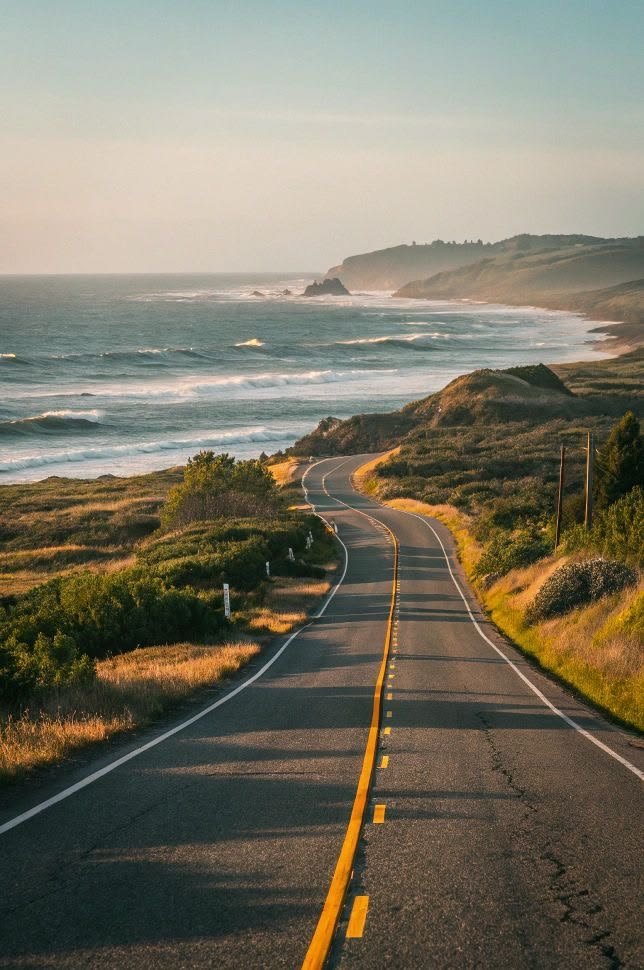
The Real Benefits of Slowing Down
The case for slow travel goes beyond trends. The evidence-backed benefits are substantial:
- Richer cultural immersion — Language, customs, humour, and daily rhythms only reveal themselves over time. You cannot truly understand a place in 48 hours.
- Significant cost savings — Weekly and monthly accommodation rates, cooking your own meals, and avoiding the premium of peak-tourist services dramatically reduce overall spend.
- Mental health gains — Chronic travel fatigue is real. The anxiety of constant logistics, early flights, and packed itineraries takes a measurable toll. Slow travel replaces this with routine, groundedness, and genuine relaxation.
- Deeper human connections — The friendships, the neighbourhood café owner who remembers your order, the local festival you stumbled into — these are the memories that endure.
How to Start Your Slow Travel Journey
You do not need to quit your job or sell your home. Start with what you have:
- Choose one destination per trip instead of three or four.
- Book a longer stay — even extending from 5 days to 12 days changes everything.
- Stay in residential neighbourhoods, not hotel districts.
- Eat where locals eat — follow the lunchtime queues, not the TripAdvisor rankings.
- Leave white space in your itinerary — some of the best travel experiences are unplanned.
The Bigger Picture: Travel as Transformation
At its core, slow travel asks a provocative question: What is travel actually for?
If the answer is photographs and bragging rights, fast travel serves well enough. But if travel is about growth, perspective, empathy, and genuine connection with humanity’s astonishing diversity — then slowing down is not a compromise. It is the upgrade.
The world is not a checklist. It is a conversation. And the best conversations take time.
Ready to slow down and truly arrive? Share your slow travel story in the comments below.