

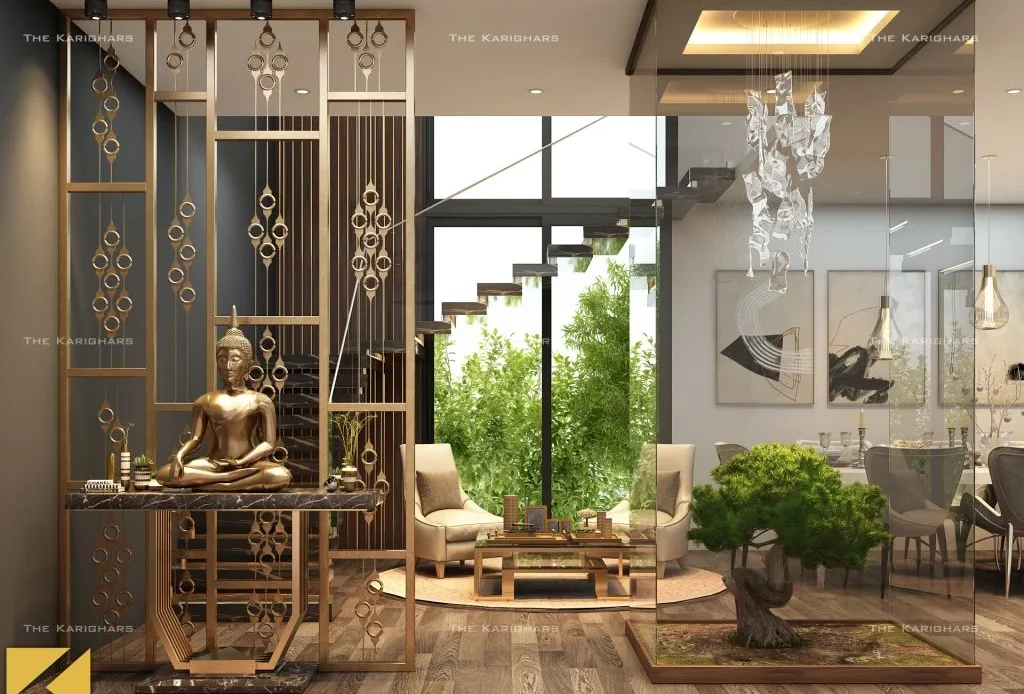
Home decor is no longer just about filling a space with beautiful objects—it’s about creating environments that reflect personality, support well-being, and adapt to changing lifestyles. As homes continue to serve multiple purposes, from workspaces to wellness retreats, new decor trends are emerging that focus on comfort, sustainability, and emotional connection. This year’s home decor trends move away from excess and toward thoughtful design that feels both modern and timeless.
One of the most noticeable shifts in home decor is the move toward warm minimalism. Unlike the stark, cold minimalism of the past, this approach blends clean lines with soft textures and earthy tones. Neutral color palettes—think beige, sand, taupe, and muted browns—create a calming foundation, while layered fabrics, natural wood, and handcrafted details add warmth and depth. The result is a space that feels uncluttered yet inviting, proving that simplicity doesn’t have to feel empty.
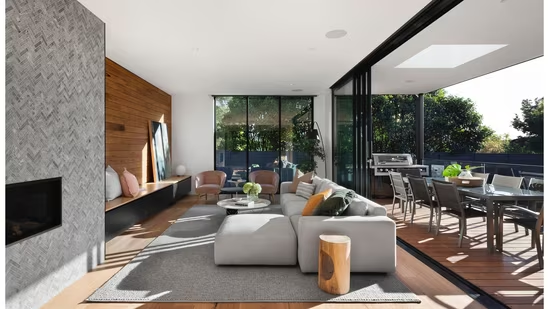
Sustainability continues to influence design choices in meaningful ways. Homeowners are increasingly drawn to furniture and decor made from recycled, reclaimed, or responsibly sourced materials. Vintage and second-hand pieces are being embraced not just for environmental reasons, but also for their character and uniqueness. Instead of fast decor trends, people are investing in items that tell a story and last for years. This shift encourages mindful consumption and a more personal connection to the home.
Nature-inspired design is another defining trend. Biophilic elements—such as indoor plants, natural light, stone textures, and organic shapes—are being incorporated to strengthen the connection between indoor and outdoor spaces. Large windows, sheer curtains, and open layouts help bring in daylight, while greenery adds freshness and life. Even in urban apartments, these nature-driven touches create a sense of balance and tranquility.
Color is making a thoughtful comeback, but in a softer, more intentional way. Instead of bold, overpowering shades, designers are favoring muted greens, clay reds, dusty blues, and warm terracotta tones. These colors are often inspired by landscapes and natural elements, making them easy to live with and emotionally grounding. Accent walls, painted ceilings, and color-blocked furniture offer subtle ways to experiment without overwhelming the space.
Texture is playing a major role in defining modern interiors. Bouclé sofas, linen curtains, woven rugs, and ceramic accessories add tactile interest and visual richness. Mixing textures helps create depth, especially in neutral spaces, and encourages a more sensory experience. Homes are no longer designed just to be seen—they’re meant to be felt.
Multifunctional design has become essential as living spaces adapt to evolving needs. Furniture that serves more than one purpose, such as storage ottomans, foldable desks, and modular seating, is increasingly popular. These pieces allow homeowners to maximize space without sacrificing style. Flexible layouts make it easier to shift between work, relaxation, and social time, reflecting the reality of modern living.
Personal expression is at the heart of today’s decor trends. Instead of following a single style, people are blending influences to create interiors that feel authentic. Art, books, travel souvenirs, and handmade objects are being displayed proudly, adding layers of meaning to a space. This curated, lived-in look celebrates individuality and moves away from showroom-perfect homes.
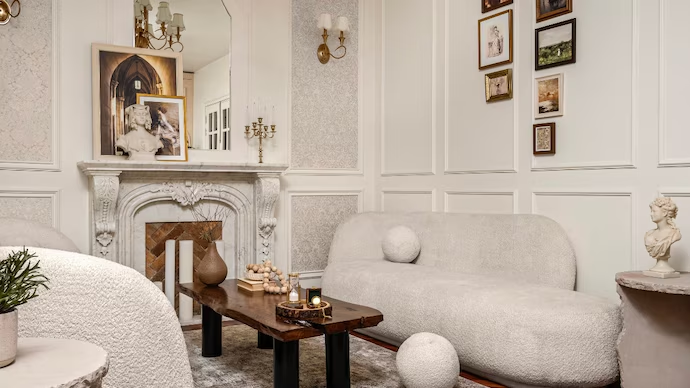
Lighting is also being reimagined as a design feature rather than a final touch. Soft, layered lighting using floor lamps, wall sconces, and warm bulbs creates a cozy atmosphere. Sculptural lighting fixtures double as art, enhancing the room’s character even when turned off.
Ultimately, the new trend in home decor is about intention. Every piece has a purpose, every choice supports comfort and well-being, and every room reflects the people who live there. As homes become more personal and mindful, decor is evolving into a powerful form of self-expression—one that transforms houses into meaningful, nurturing spaces.