

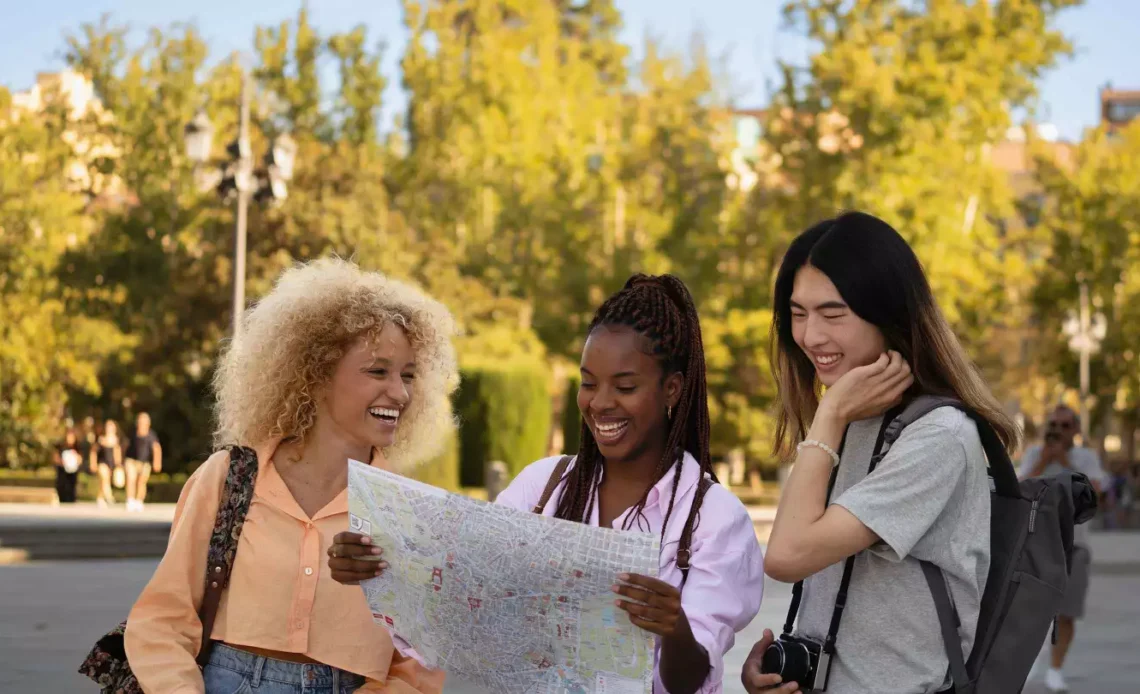
Travel has always been a way to explore the world, but today it has become something deeper—a way to explore ourselves. Modern travelers are no longer chasing postcard-perfect photos alone; they are seeking journeys that inspire growth, connection, and lasting impact. This new age of travel is defined by intention, curiosity, and meaningful experiences.
Travel as a Form of Self-Discovery
For many people, travel has become a personal reset. Stepping into unfamiliar surroundings encourages reflection, adaptability, and self-awareness. Whether it’s navigating a foreign city alone or sharing meals with locals, these moments challenge comfort zones and build confidence.

Solo travel, in particular, continues to rise as individuals embrace independence and mindfulness. Without fixed schedules or expectations, travelers are free to listen to their instincts, creating journeys shaped by emotion rather than obligation.
From Sightseeing to Story-Living
Traditional sightseeing is giving way to story-living—being part of the destination instead of observing it. Travelers now prefer hands-on activities such as learning regional recipes, joining village festivals, or participating in conservation efforts.
These immersive experiences allow visitors to understand cultures from the inside. Instead of asking, “What can I see here?” travelers are asking, “What can I learn here?” This shift creates deeper respect for local traditions and more memorable travel stories.
Time Is the New Luxury
In a fast-paced world, time has become one of the most valuable travel currencies. Modern travelers are prioritizing quality over quantity, choosing longer stays and fewer destinations. This slower rhythm encourages meaningful connections and reduces travel fatigue.
Spending more time in one place also supports local economies. Staying in neighborhood accommodations, shopping locally, and returning to favorite cafes helps travelers feel less like tourists and more like temporary residents.
The Influence of Community and Culture
Community-driven travel is gaining momentum as people seek genuine human connection. Travelers are increasingly drawn to experiences hosted by locals—guided walks, family-run workshops, and cultural storytelling sessions.
These interactions offer perspectives that guidebooks cannot. Conversations with residents often become the most cherished travel memories, offering insights into daily life, traditions, and values that shape a destination’s identity.
Nature as a Healing Space
Nature-focused travel continues to grow as people look for peace and balance. Mountains, beaches, forests, and deserts provide an escape from digital overload and urban stress. Activities such as hiking, stargazing, kayaking, and wildlife observation allow travelers to reconnect with the natural world.
This reconnection often sparks a stronger sense of environmental responsibility. Travelers return home more mindful of conservation and sustainability, inspired by the beauty they’ve experienced firsthand.
Creativity on the Road
Travel is increasingly intertwined with creativity. Many travelers use their journeys to write, photograph, paint, or learn new skills. Creative retreats, art-focused trips, and photography tours are becoming popular ways to combine exploration with self-expression.
Creativity thrives in unfamiliar environments, where new sights, sounds, and cultures spark inspiration. These trips allow travelers to return home not just with memories, but with creations that reflect their experiences.
Technology Enhancing, Not Replacing, Experience
While technology simplifies planning and navigation, modern travelers are learning to use it intentionally. Digital tools help manage logistics, but the focus remains on real-world engagement. Many travelers set boundaries with devices to stay present and fully absorb their surroundings.
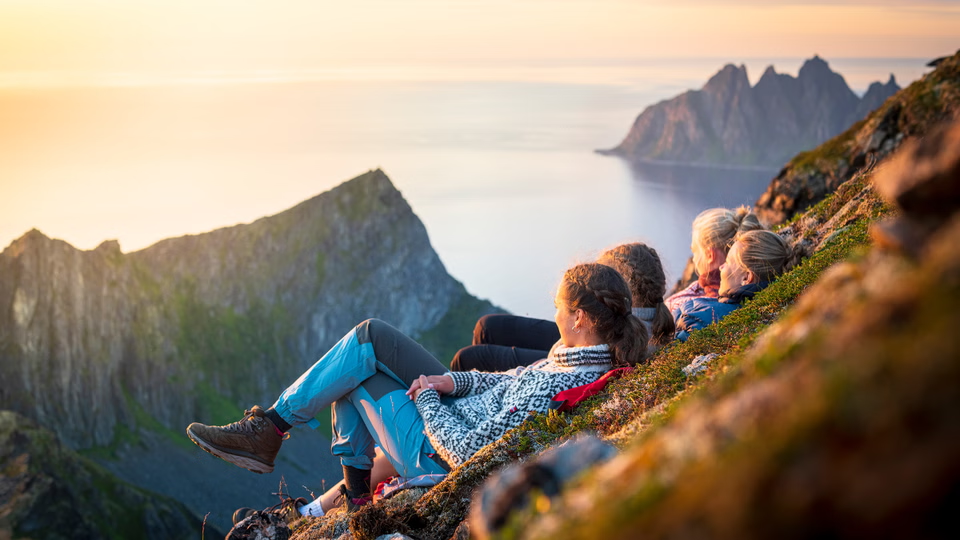
This mindful approach to technology ensures that moments are lived, not just recorded.
Travel That Leaves a Mark
The most powerful journeys are those that leave travelers changed. Whether through cultural understanding, personal growth, or emotional healing, travel has the ability to reshape perspectives.
As the world becomes more connected, the purpose of travel continues to evolve. It is no longer just about where we go, but how we feel, what we learn, and who we become along the way.