

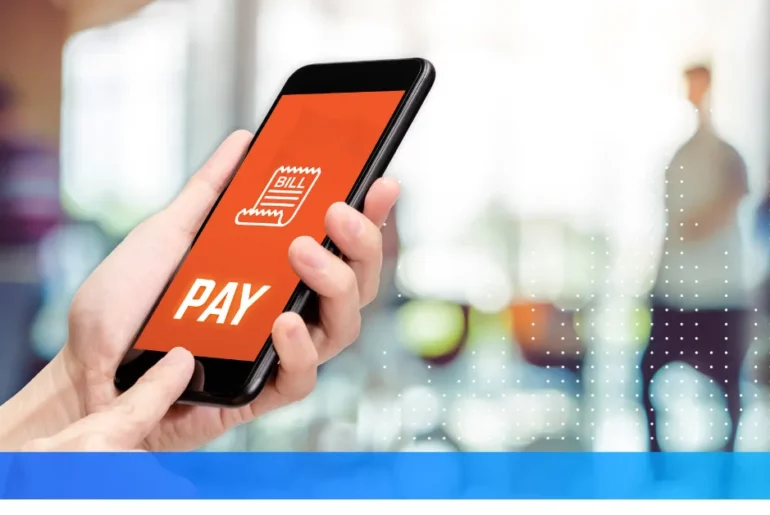
The way people handle money has changed dramatically in recent years. Digital payments and modern banking technologies are transforming how individuals and businesses manage financial transactions. Cash is no longer the only option, and many people now prefer faster and more convenient digital payment methods. From mobile wallets to online banking apps, financial technology is reshaping everyday financial activities and making banking more accessible than ever before.
One of the biggest changes in the financial world is the rise of mobile payments. Smartphones have become powerful financial tools, allowing users to send and receive money within seconds. People can pay bills, transfer funds, and make purchases without visiting a bank or using cash. Mobile payment apps make transactions simple and secure, reducing the need to carry physical money. This convenience has encouraged millions of people to adopt digital payment methods for everyday expenses.
Contactless payments have also become increasingly popular. Many debit and credit cards now allow users to tap their cards on payment machines to complete transactions quickly. This technology saves time and reduces physical contact, which became especially important during global health crises. Contactless payments are widely used in stores, restaurants, and public transportation systems, making everyday purchases faster and easier.
Online banking has transformed the traditional banking experience. Instead of visiting bank branches, customers can now manage their accounts from home. Banking apps allow users to check balances, transfer money, pay bills, and monitor spending. This shift toward digital banking has made financial services more efficient and convenient. Customers can access their accounts at any time, making it easier to stay in control of their finances.
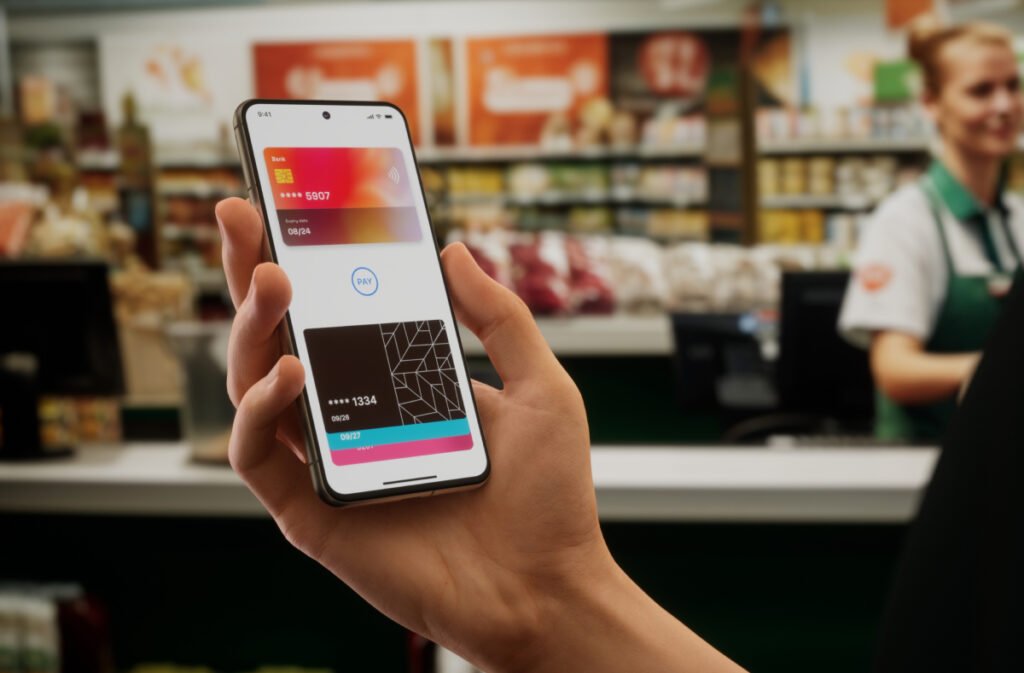
Another important trend is the growth of digital wallets. Digital wallets store payment information securely on smartphones or computers, allowing users to make quick payments online or in stores. These wallets can also store tickets, loyalty cards, and identification documents. Digital wallets reduce the need to carry multiple cards and make transactions smoother and more organized. As more businesses accept digital wallet payments, their popularity continues to grow.
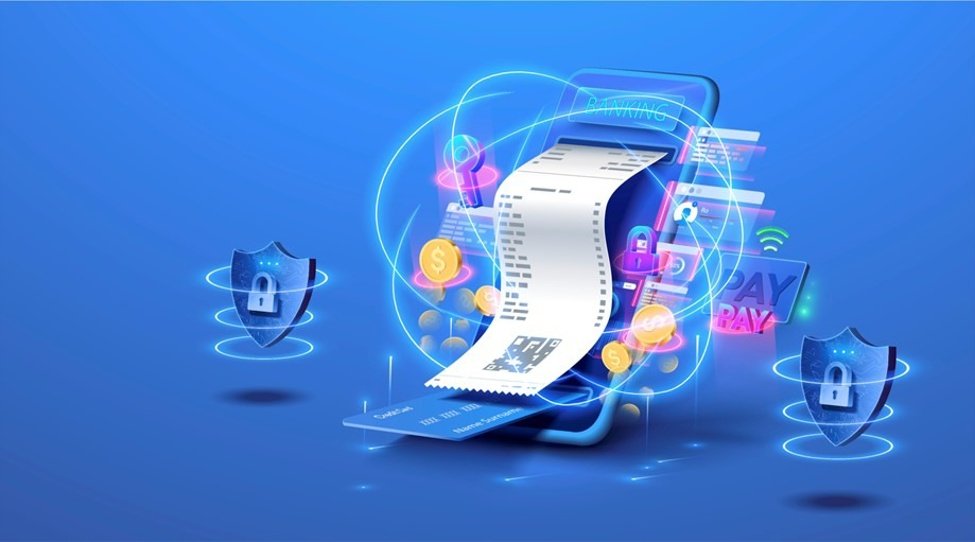
Security remains a major focus in digital banking. Financial institutions are investing in advanced technologies to protect customer information and prevent fraud. Features such as fingerprint scanning, face recognition, and two-factor authentication add extra layers of protection. These security measures help customers feel confident when using digital banking services and making online payments.
Another major development is the expansion of financial services to underserved communities. Digital banking allows people in remote areas to access financial services without needing a physical bank branch. Mobile banking apps and online payment systems provide opportunities for people who previously had limited access to banking. This expansion helps support economic growth and financial inclusion around the world.
Instant payments are also becoming more common. Traditional bank transfers often required several hours or even days to process, but new digital payment systems allow money to move almost instantly. This speed benefits both individuals and businesses by improving cash flow and reducing delays. Fast payment systems are especially useful for small businesses that depend on quick transactions to operate efficiently.
Another growing trend is the use of data to improve financial services. Banks and financial companies analyze transaction patterns to understand customer needs better. This information helps institutions offer personalized financial advice and customized services. Customers may receive spending insights, saving suggestions, and budgeting tools through their banking apps. These features help people make smarter financial decisions.
Digital payments are also supporting the growth of online shopping. E-commerce depends heavily on secure and reliable payment systems. Customers can buy products from anywhere in the world using digital payment methods, making shopping more convenient. Businesses benefit from faster payments and improved customer experiences.
The future of banking is expected to become even more digital. Innovations in financial technology will continue to make transactions faster, safer, and more convenient. While traditional banking services will remain important, digital solutions are becoming the preferred choice for many people. As technology continues to advance, digital payments and modern banking systems will play an even greater role in shaping the global economy and the way people manage their money.