


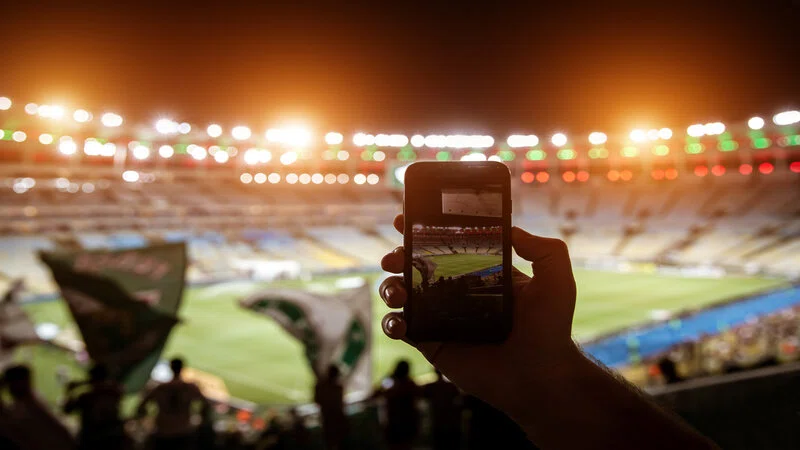
The modern sports stadium is no longer just a place to watch a game — it has evolved into a fully connected entertainment hub powered by cutting-edge technology. From seamless mobile ticketing to immersive augmented reality experiences, smart stadiums are transforming how fans interact with their favorite teams and live events. As expectations for convenience and engagement grow, teams and venue operators are investing heavily in digital innovation to create unforgettable matchday experiences that go far beyond the action on the field.
One of the most noticeable changes in smart stadiums is the shift toward mobile-first experiences. Fans can now enter venues using digital tickets stored on their smartphones, eliminating long queues and paper passes. Mobile apps allow visitors to navigate seating areas, locate restrooms or food stalls, and receive real-time updates on game highlights and special promotions. These apps often include interactive maps and push notifications that help fans move through large venues with ease, making the entire experience smoother and less stressful.


High-speed connectivity is another major factor driving the smart stadium revolution. Modern venues are equipped with powerful Wi-Fi networks and 5G technology, allowing thousands of fans to stream content, share photos, and access real-time stats without lag. This level of connectivity encourages social media engagement and enhances the communal atmosphere of live sports. Fans can instantly replay key moments on their devices or follow multiple games simultaneously, creating a more dynamic and interactive viewing experience.
Augmented reality (AR) and virtual reality (VR) are also reshaping how fans engage with events. Some stadium apps allow users to point their phones toward the field to see player statistics, live graphics, or interactive animations layered over real-world views. VR experiences may offer virtual locker room tours or simulated front-row perspectives, even for fans seated far from the action. These technologies create new ways for spectators to connect with the game, blending physical attendance with digital storytelling.
Smart concessions and cashless payments are improving convenience and reducing wait times. Many stadiums now offer mobile food ordering, allowing fans to purchase snacks or meals from their seats and pick them up at designated counters. Self-service kiosks and contactless payment systems streamline transactions and minimize physical contact, which has become increasingly important in recent years. Some venues even use AI-powered systems to track inventory and adjust menus based on crowd demand, ensuring that popular items remain available throughout the event.
Data analytics play a powerful role behind the scenes in shaping fan experiences. By analyzing ticket sales, crowd flow, and purchasing behavior, stadium operators can optimize everything from security lines to concession stand placement. Smart sensors monitor foot traffic and environmental conditions, helping staff respond quickly to crowd congestion or safety concerns. Personalized marketing also becomes possible, with fans receiving targeted offers or exclusive content based on their interests and past attendance patterns.
Sustainability is another area where technology is making a difference. Many smart stadiums use energy-efficient lighting, automated climate control systems, and waste management solutions powered by sensors and AI. Digital ticketing reduces paper use, while smart water systems monitor usage to conserve resources. These innovations help venues operate more responsibly while also appealing to environmentally conscious fans who value sustainability.
Enhanced entertainment options further elevate the stadium experience. Massive high-definition screens, interactive fan zones, and live social media displays keep audiences engaged during breaks in play. Some venues integrate gamification features into their apps, allowing fans to participate in quizzes, prediction contests, or real-time polls that add another layer of excitement. Music performances, drone shows, and synchronized light displays create a festival-like atmosphere that turns sporting events into full-scale entertainment experiences.


Despite all the technological advancements, the goal of smart stadiums is not to replace the traditional excitement of live sports but to enhance it. Fans still come for the energy of the crowd, the thrill of competition, and the sense of community that only live events can provide. Technology simply adds convenience, immersion, and personalization, helping each spectator feel more connected to the game and to fellow fans.
As innovation continues to accelerate, the future of smart stadiums promises even more possibilities. Biometric entry systems, AI-driven commentary, and fully immersive mixed-reality experiences are already being explored. Ultimately, the rise of high-tech stadiums reflects a broader shift in entertainment culture — one where live sports become interactive experiences that combine tradition with technology, creating unforgettable moments for fans both inside and beyond the arena.