


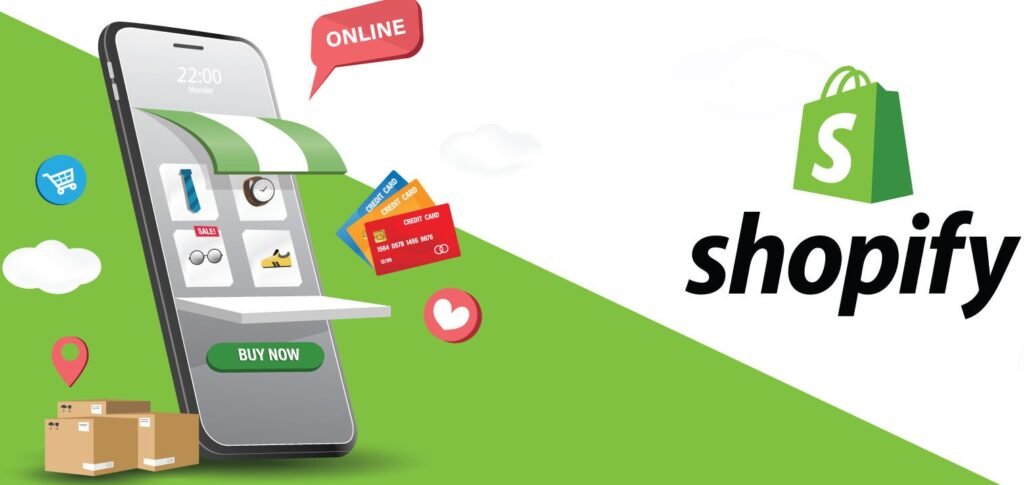
In the last decade, starting an online business has transformed from a complicated technical process into something almost anyone can try. At the center of this shift is Shopify, an e-commerce platform that allows entrepreneurs, creators, and brands to build digital storefronts without needing advanced coding skills. From small home-based sellers to global companies, Shopify has become a powerful tool for turning ideas into functioning online stores.
Shopify’s biggest strength lies in its accessibility. Traditionally, building an e-commerce website required hiring developers, managing servers, and dealing with complex payment integrations. Shopify simplified this process by offering a ready-to-use platform where users can choose a theme, upload products, and launch a store in a matter of hours. This ease of use has attracted everyone from handmade jewelry creators to established fashion labels looking to expand their digital presence.


One of the key features that sets Shopify apart is its customizable design system. Users can select from a wide range of professional themes that suit different industries and styles. Whether someone wants a minimalist boutique look or a vibrant marketplace vibe, there are countless design options available. For those with technical knowledge, Shopify’s code access allows deeper customization, making it flexible enough for both beginners and experienced developers.
Another reason for Shopify’s popularity is its integrated payment and checkout system. Instead of relying on multiple third-party services, users can accept payments directly through Shopify Payments or integrate popular gateways like PayPal and Stripe. The platform also supports multiple currencies and languages, helping businesses reach customers around the world. Secure checkout processes and fraud protection tools add an extra layer of trust for both sellers and buyers.
Shopify’s app ecosystem further enhances its functionality. Thousands of apps allow businesses to add features such as email marketing, inventory tracking, dropshipping integrations, and customer loyalty programs. This modular approach means store owners can start simple and gradually expand their capabilities as their businesses grow. For example, a small clothing brand might begin with basic product listings and later add automated marketing campaigns or advanced analytics tools.
Beyond the technical aspects, Shopify has built a strong community and educational ecosystem. Tutorials, webinars, forums, and expert blogs help entrepreneurs learn everything from product photography to digital advertising strategies. Many creators find inspiration through Shopify’s success stories, which highlight real businesses that started small and scaled into thriving brands. This sense of community reduces the isolation often felt by first-time entrepreneurs.
Shopify also plays a significant role in supporting modern retail trends. Social commerce integrations allow users to sell directly through platforms like Instagram and Facebook, while point-of-sale (POS) systems connect online stores with physical retail locations. This omnichannel approach reflects the evolving nature of shopping, where customers expect seamless experiences whether they are browsing on their phones or walking into a brick-and-mortar shop.


Of course, like any platform, Shopify comes with considerations. Monthly subscription fees and transaction costs can add up, especially for small businesses just starting out. Some advanced features may require additional paid apps or custom development. However, many users find that the convenience and scalability outweigh these costs, particularly when compared to building and maintaining a custom e-commerce website from scratch.
In today’s fast-moving digital economy, the ability to launch and manage an online store quickly can make a huge difference. Shopify has empowered countless entrepreneurs to test ideas, reach global audiences, and build sustainable businesses without needing extensive technical expertise. Its combination of user-friendly design, powerful tools, and supportive community has reshaped how people approach e-commerce.
Ultimately, Shopify is more than just a website builder—it is a platform that lowers the barriers to entrepreneurship. By simplifying the process of selling online, it has opened doors for individuals and brands to share their products with the world. Whether someone is starting a side hustle, launching a fashion label, or expanding a traditional retail business into the digital space, Shopify continues to play a central role in the ever-evolving landscape of online commerce.