


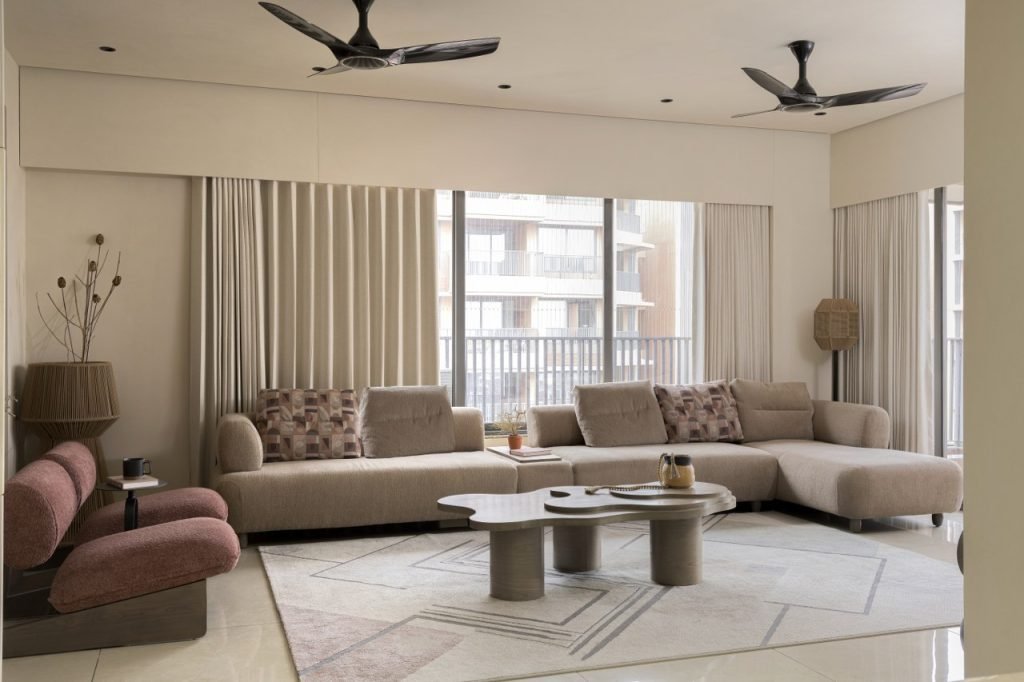
In 2026, home design is moving away from high-gloss finishes and ultra-sleek surfaces. Instead, homeowners are embracing something more grounded, tactile, and timeless — natural textures and raw materials. From unfinished wood to stone, rattan, limewash walls, and handwoven fabrics, interiors are becoming softer, warmer, and deeply connected to nature.
This trend isn’t just about aesthetics. It’s about how a space feels.
Why Natural Materials Are Trending
Modern life is fast, digital, and often overwhelming. As screens dominate daily routines, homes are becoming sanctuaries. Natural materials offer a sense of calm and authenticity that synthetic finishes simply cannot replicate.
There’s also a growing awareness around sustainability. Many homeowners now prefer materials that are renewable, responsibly sourced, and long-lasting. Choosing real wood over laminate or stone over plastic-based composites reflects a shift toward mindful living.
But beyond environmental reasons, natural textures create emotional warmth. They make a space feel lived-in rather than staged.
The Beauty of Imperfection

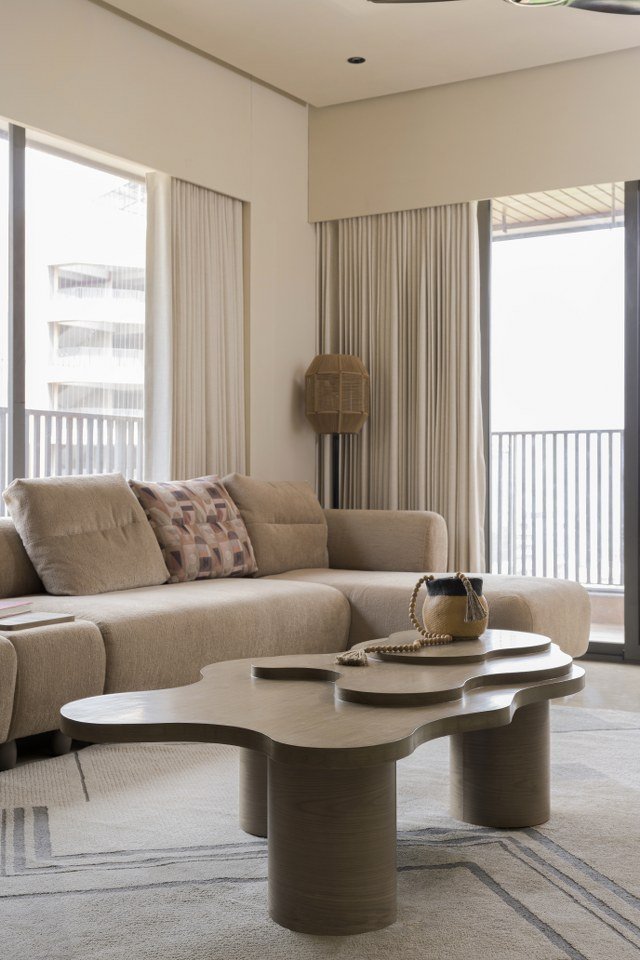
One of the defining characteristics of raw materials is imperfection. Knots in wood, subtle cracks in stone, uneven plaster finishes — these details tell a story.
Unlike machine-perfect surfaces, natural elements age gracefully. A solid oak table may develop scratches over time, but those marks become part of its character. Linen upholstery wrinkles softly. Brass develops a gentle patina. These changes add depth and personality.
In a world obsessed with perfection, imperfection feels refreshing.
Popular Natural Materials in 2026 Homes
Several materials are leading this design movement:
Unfinished Wood: Oak, teak, walnut, and reclaimed timber are widely used for furniture, beams, shelving, and flooring. Matte finishes are preferred over glossy varnish.
Stone & Marble: Travertine coffee tables, limestone countertops, and slate accents add earthy texture. Designers are leaning toward softer, warmer stone tones rather than stark white marble.
Rattan & Cane: These lightweight woven materials are appearing in chairs, headboards, cabinet fronts, and pendant lighting. They add texture without heaviness.
Limewash & Clay Walls: Instead of flat paint, textured wall finishes create depth and subtle tonal variation. These breathable finishes also align with eco-conscious living.
Natural Fabrics: Linen curtains, cotton throws, wool rugs, and jute carpets add tactile comfort and organic charm.
Together, these elements create layered, sensory-rich interiors.
The Rise of Earthy Color Palettes
Natural materials pair beautifully with earthy color schemes. Think warm browns, sandy beige, olive green, muted terracotta, and creamy off-whites.
These tones enhance the warmth of wood and stone while maintaining a calm, neutral foundation. The result is a home that feels cohesive and inviting rather than stark or cold.
Blending Modern and Organic
Natural textures don’t mean rustic or outdated. In fact, many contemporary homes blend clean architectural lines with raw materials.
For example:
- A minimalist living room with a sculptural stone coffee table
- A sleek kitchen softened by wooden cabinetry and linen bar stools
- A modern bedroom warmed with woven lighting and textured plaster walls
This contrast creates balance — structured yet comfortable, refined yet relaxed.
Wellness Through Design
There’s a psychological benefit to surrounding ourselves with natural materials. Studies suggest that biophilic design — incorporating nature into interiors — can reduce stress and improve well-being.
Wood textures, natural light, indoor plants, and breathable materials create an environment that feels grounded and restorative.
It’s not just about how a home looks. It’s about how it supports daily life.
Sustainable and Long-Lasting Choices
Another reason this trend is growing is durability. Solid wood furniture can last decades. Stone surfaces age beautifully. Natural fibers are often biodegradable and renewable.
Instead of buying disposable décor pieces, homeowners are investing in fewer, higher-quality items that stand the test of time.
This shift toward longevity aligns with both environmental values and smarter spending.
Bringing the Trend Into Your Home

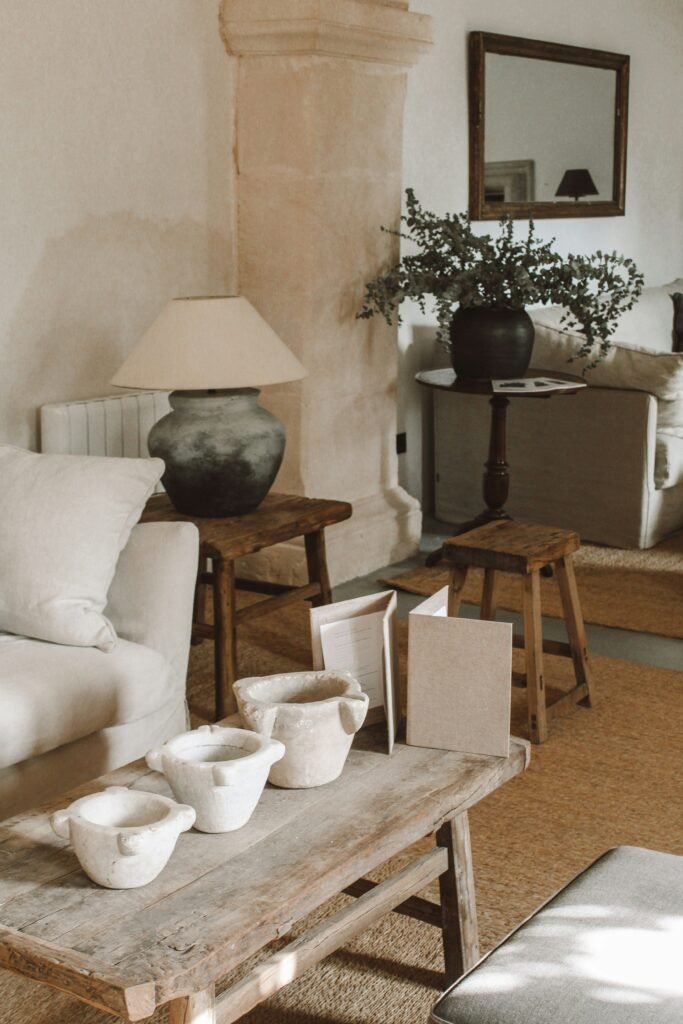
You don’t need a full renovation to embrace natural textures. Small updates can make a big difference:
- Swap synthetic rugs for jute or wool.
- Add woven baskets for storage.
- Replace glossy finishes with matte wood accents.
- Introduce linen cushions or curtains.
- Use ceramic or clay décor pieces.
Layering textures gradually creates depth without overwhelming the space.
A Return to Authentic Living
Natural textures and raw materials reflect a broader cultural desire for authenticity. As homes become more than just living spaces — serving as offices, retreats, and social hubs — comfort and warmth matter more than ever.
This trend reminds us that beauty doesn’t have to be shiny or perfect. Sometimes, the most inviting spaces are those that feel real, grounded, and connected to the earth.
In the end, natural design isn’t just a style. It’s a lifestyle choice — one that values simplicity, sustainability, and the quiet elegance of materials shaped by nature itself.