



There’s something timeless about the relationship between people, homes, and gardens. A house is more than just four walls and a roof—it’s a sanctuary. And when paired with a well-cared-for garden, it becomes a place of peace, beauty, and rejuvenation. Whether you have a sprawling backyard or just a small balcony, house and gardening practices can help you create a green haven that adds value to both your space and your life.
Why Gardening Matters at Home
In today’s fast-paced, technology-driven world, the simple act of gardening offers a much-needed escape. Tending to plants has proven benefits: it reduces stress, improves mood, and even enhances air quality. Houseplants absorb carbon dioxide and release oxygen, while outdoor gardens provide shade, cool the surroundings, and attract pollinators like bees and butterflies. A garden, no matter how modest, also fosters mindfulness. Every watering, pruning, or planting session allows us to slow down and reconnect with nature.

Small Spaces, Big Impact
Not every home has the luxury of a large yard, but that doesn’t mean gardening is off the table. In fact, urban dwellers have been finding creative ways to bring greenery into compact spaces. Vertical gardens, balcony planters, and hanging pots can transform an apartment into a lush retreat. Herbs like basil, mint, and rosemary thrive in small containers and provide fresh flavors for everyday meals. Meanwhile, succulents and cacti offer low-maintenance beauty for busy homeowners.
If you’re short on outdoor space, even a sunny windowsill can be enough. Indoor plants such as snake plants, pothos, and peace lilies require minimal care and flourish inside. They don’t just look good—they also improve air quality by filtering toxins.
Designing Your Garden for Comfort
When planning a garden, it’s important to think about its purpose. Do you want a flower-filled space that adds color and fragrance, or a vegetable garden that puts fresh produce on your table? Perhaps you’re aiming for a relaxing retreat with seating, shade, and the soothing sound of a water fountain.
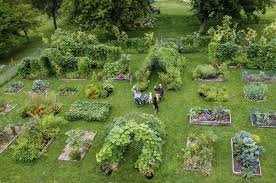
Consider mixing functional and aesthetic elements. Raised garden beds, for instance, are practical for growing vegetables while also creating structure and order in the yard. Adding outdoor furniture or even a simple bench allows you to enjoy your hard work. String lights, lanterns, or solar-powered lamps make gardens welcoming during evenings, extending their use beyond daylight hours.
Sustainability in Gardening
Modern gardening isn’t just about aesthetics—it’s also about responsibility. Sustainable gardening practices help protect the environment and conserve resources. Composting kitchen scraps reduces household waste while enriching the soil naturally. Collecting rainwater in barrels is an easy way to water plants without straining municipal supplies.
Choosing native plants is another sustainable step. Native species are adapted to local climates, require less maintenance, and attract beneficial insects. Pairing them with drought-resistant plants can reduce water use dramatically. For those with more space, planting trees not only provides shade but also helps combat climate change by absorbing carbon dioxide.
Gardening as a Family Activity
Gardening can be more than a solo pursuit—it can bring families together. Children often enjoy the hands-on activity of planting seeds and watching them grow. It teaches patience, responsibility, and an appreciation for nature. Families can bond over simple projects like building a birdhouse, creating a butterfly garden, or even painting pots to add color to the yard.

For older family members, gardening offers a gentle form of physical activity that improves flexibility and strength without being overly strenuous. It’s a hobby that truly spans generations.
Final Thoughts
House and gardening are deeply connected. A beautiful home feels even more inviting when surrounded by greenery, and a well-kept garden often reflects the love and care invested in the household. Whether you’re cultivating a vegetable patch, nurturing houseplants, or designing a floral landscape, each step transforms your home into a personal retreat.
Gardening isn’t about perfection—it’s about connection. It connects us to nature, to our food, and to our sense of peace. No matter the size of your space, bringing a little green into your home can bring a lot of joy into your life.