

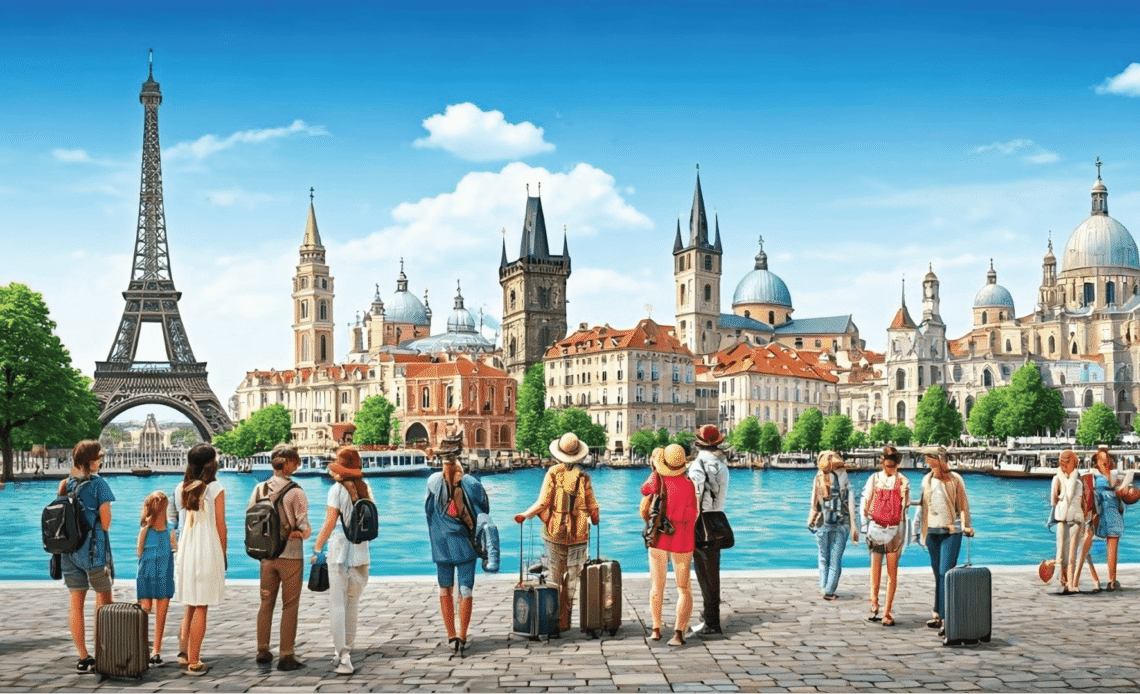
Travel is evolving into something far richer than vacations of the past. Today’s travelers are not just searching for beautiful destinations; they are looking for stories, emotions, and moments that feel authentic. This new era of travel is shaped by curiosity, flexibility, and a desire to experience places as they truly are—beyond postcards and popular checklists.
One of the most exciting changes in modern travel is the growing interest in lesser-known destinations. Instead of crowded tourist hotspots, travelers are turning toward quiet towns, remote islands, and emerging cities. These places often offer a more relaxed atmosphere, lower costs, and genuine interactions with locals. Exploring such destinations allows travelers to feel like participants rather than spectators, discovering traditions and lifestyles that remain untouched by mass tourism.

Experiential travel is also redefining how journeys are planned. Travelers now prioritize what they can do over where they can go. Whether it’s learning pottery from a local artisan, harvesting olives on a countryside farm, or joining fishermen at sunrise, hands-on experiences create meaningful memories. These activities foster cultural understanding and often leave travelers with new skills, stories, and perspectives.
Food has become a powerful gateway to cultural exploration. Culinary travel is no longer limited to fine dining; it’s about street food, family-run eateries, and home-cooked meals shared with locals. Visiting food markets, tasting regional specialties, and understanding the history behind traditional recipes offer insight into a destination’s identity. For many travelers, food becomes the most memorable part of the journey.
Flexibility has emerged as a key travel mindset. With remote work becoming more common, people are blending travel with everyday life. Digital nomads are spending weeks or months in one location, balancing work with exploration. This lifestyle allows travelers to experience destinations at a slower pace, build routines, and form temporary communities. Cafés, co-working spaces, and local neighborhoods become familiar, turning travel into a lived experience rather than a brief escape.
Connection plays a central role in this new travel narrative. Travelers are seeking genuine human interactions—conversations with locals, shared experiences with fellow travelers, and moments of cultural exchange. Staying in homestays, joining community tours, or volunteering locally helps build these connections. Such interactions often become the most cherished memories, reminding travelers that people define a place as much as landscapes do.
Nature continues to inspire travelers searching for clarity and calm. From misty mountains and lush forests to vast deserts and open seas, natural settings offer a sense of grounding. Outdoor activities like trekking, kayaking, and cycling encourage travelers to slow down and engage with their surroundings. Responsible nature travel also raises awareness about conservation and the importance of protecting fragile ecosystems.
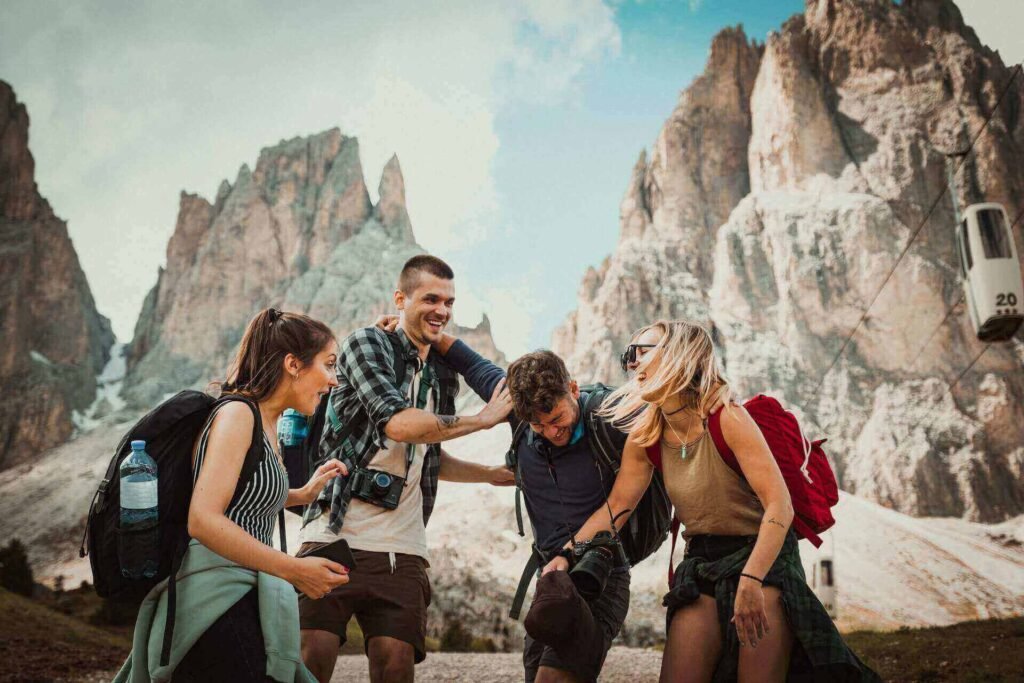
Mindful travel is another growing movement. Travelers are becoming more conscious of their impact, choosing respectful behavior, ethical tours, and sustainable accommodations. Simple actions—learning local customs, dressing appropriately, and supporting small businesses—help preserve cultural integrity. Mindful travelers understand that their presence should add value rather than strain local communities.
At its core, modern travel is about intention and authenticity. It’s about choosing journeys that align with personal values and leaving space for spontaneity. By embracing curiosity, respect, and openness, travelers are crafting experiences that feel deeply personal and transformative.
In this new age of exploration, travel is no longer about seeing the world quickly—it’s about understanding it deeply, one honest journey at a time.