


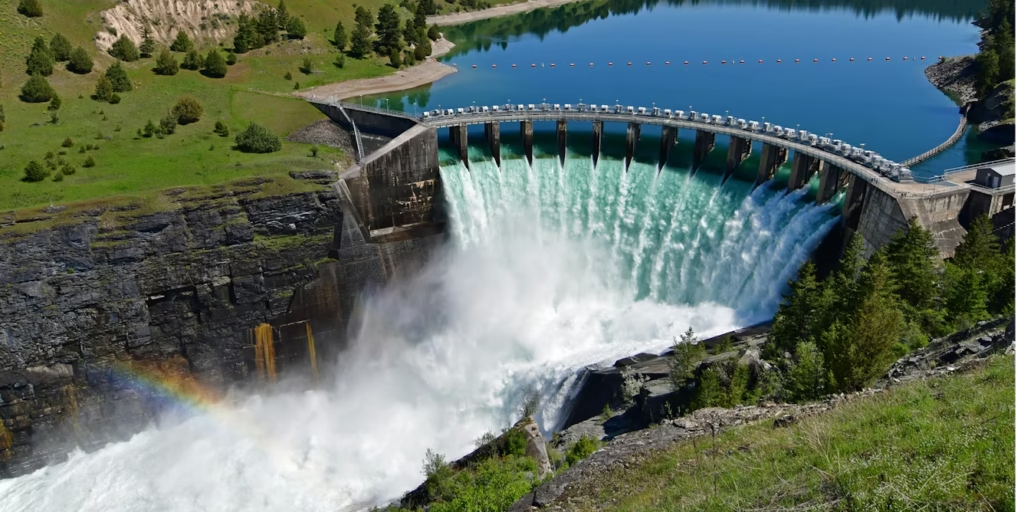
Hydropower is one of the oldest sources of renewable energy, powering civilizations long before fossil fuels dominated the global energy system. Today, as the world accelerates its transition toward cleaner and more resilient power sources, hydropower is quietly redefining itself. No longer limited to massive dams and reservoirs, the future of hydropower is shaped by innovation, sustainability, and smarter integration with other renewables.
Rather than fading into the background, hydropower is evolving to meet modern energy, environmental, and climate challenges.
Reinventing Traditional Dams
Large hydropower dams will continue to play a role in the global energy mix, particularly in regions with abundant river systems. However, the future lies in upgrading existing infrastructure rather than building entirely new mega-dams. Modern turbines, digital monitoring, and artificial intelligence are improving efficiency and extending the lifespan of aging facilities.
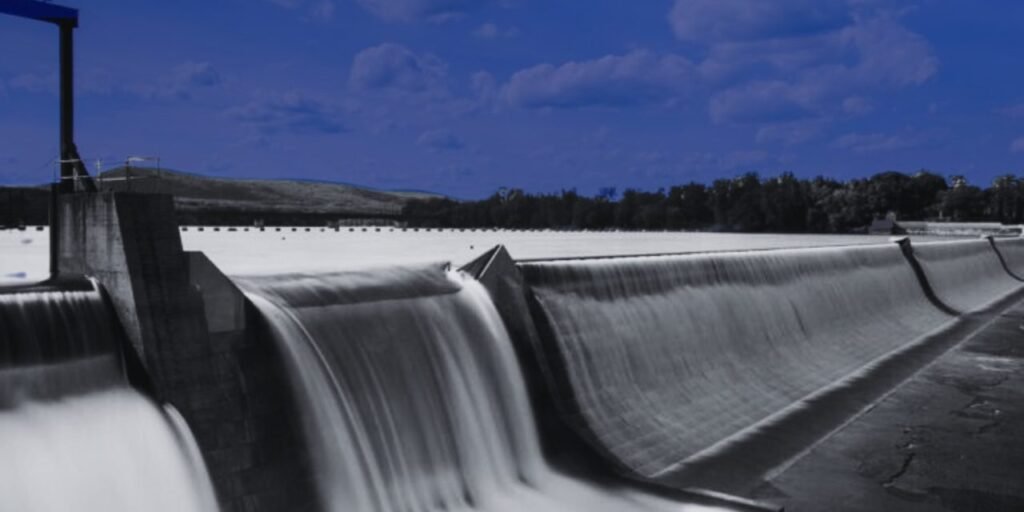
By retrofitting older plants, countries can increase power output without additional environmental disruption. This approach reduces costs, limits ecological damage, and maximizes the value of infrastructure already in place—making hydropower more acceptable in a sustainability-focused era.
The Rise of Small and Modular Hydropower
Small-scale hydropower is emerging as one of the most promising directions for the industry. Unlike traditional dams, these systems generate electricity using natural river flow with minimal or no reservoirs. Known as run-of-river projects, they significantly reduce habitat disruption while still providing reliable energy.
Modular hydropower units can be installed in remote areas, irrigation canals, and even existing water infrastructure. Their flexibility makes them ideal for rural electrification and developing regions, where large dams may be impractical or controversial.
Pumped Storage: Hydropower as a Giant Battery
One of hydropower’s most important future roles is energy storage. Pumped storage hydropower acts like a massive rechargeable battery, storing excess electricity from solar and wind during low-demand periods and releasing it when demand peaks.
As renewable energy grids become more variable, this balancing function is invaluable. Pumped storage plants provide grid stability, frequency control, and emergency backup—capabilities that few other technologies can match at scale. With energy storage becoming a top priority worldwide, pumped hydropower is set to gain renewed investment and relevance.
Environmental Innovation and Fish-Friendly Design
Environmental concerns have long challenged hydropower’s reputation. The future of the industry depends on addressing these issues head-on. New turbine designs are becoming more fish-friendly, reducing injury and mortality during water passage. Improved sediment management techniques help maintain river health downstream.
Additionally, advanced monitoring systems now track water quality, biodiversity, and flow patterns in real time. These innovations allow hydropower plants to operate in harmony with ecosystems rather than at their expense.
Climate Resilience and Water Management
Climate change is reshaping rainfall patterns, glaciers, and river flows, directly affecting hydropower generation. Future projects are being designed with climate resilience in mind, incorporating flexible operating strategies that adapt to water variability.
Hydropower will also play a growing role in water management, supporting flood control, irrigation, and drinking water supply alongside energy production. This multi-purpose approach makes hydropower a strategic asset in regions facing water stress and extreme weather events.
Digitalization and Smart Hydropower
Digital technologies are transforming hydropower operations. Artificial intelligence, predictive maintenance, and real-time analytics help operators optimize performance and reduce downtime. Smart hydropower plants can respond instantly to grid needs, ramping power up or down as required.

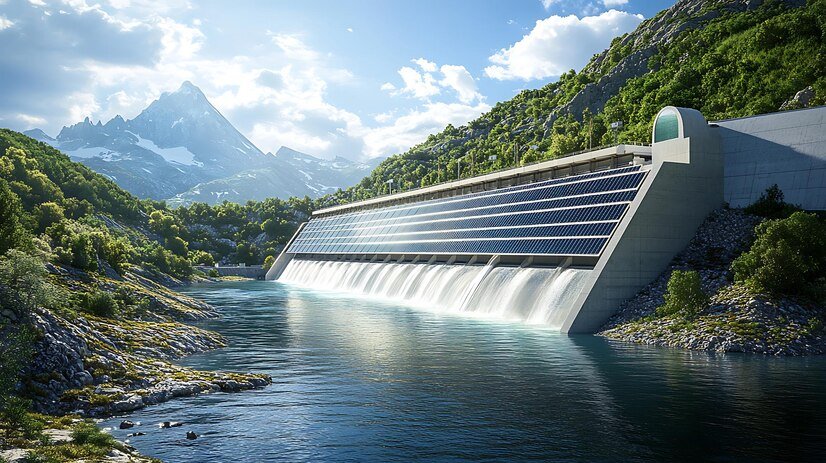
This digital shift positions hydropower as a reliable partner to intermittent renewables, strengthening the overall resilience of future energy systems.
A Balanced Path Forward
The future of hydropower is not about choosing between development and conservation—it is about balance. By prioritizing innovation, environmental responsibility, and integration with other clean technologies, hydropower can remain a cornerstone of renewable energy.
As the world seeks dependable, low-carbon power solutions, hydropower’s ability to generate, store, and stabilize energy ensures it will continue flowing forward—adapted, modernized, and ready for the demands of a changing planet.