


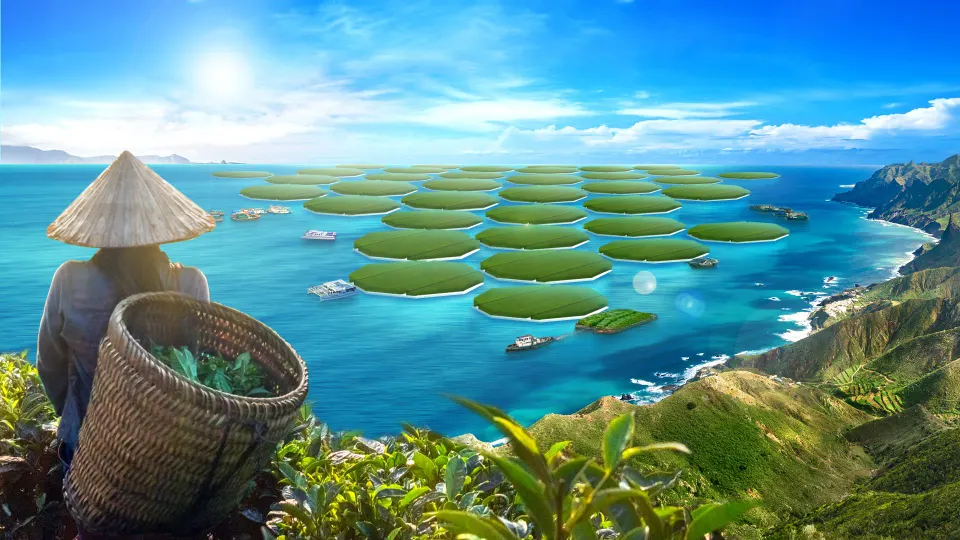
In many corners of the world, fertile farmland stretches all the way to the coastline, creating a rare and beautiful meeting point between agriculture and ocean landscapes. These regions, where fields of crops blend seamlessly with sandy shores and rocky cliffs, offer more than stunning scenery—they tell stories of resilience, tradition, and sustainable living. The intersection of farmland and sea is shaped by centuries of human adaptation, natural forces, and the delicate balance between food production and environmental conservation.
Coastal farmland often thrives because of unique soil and climate conditions. Ocean breezes help regulate temperatures, reducing extreme heat and frost while creating ideal growing environments for certain crops. The presence of salt in the air can influence plant growth, leading farmers to cultivate hardy vegetables, grains, and fruits that adapt well to coastal ecosystems. From vineyards overlooking the Mediterranean to rice paddies near Asian shorelines and vegetable farms along northern European coasts, each region develops agricultural practices tailored to its specific environment.

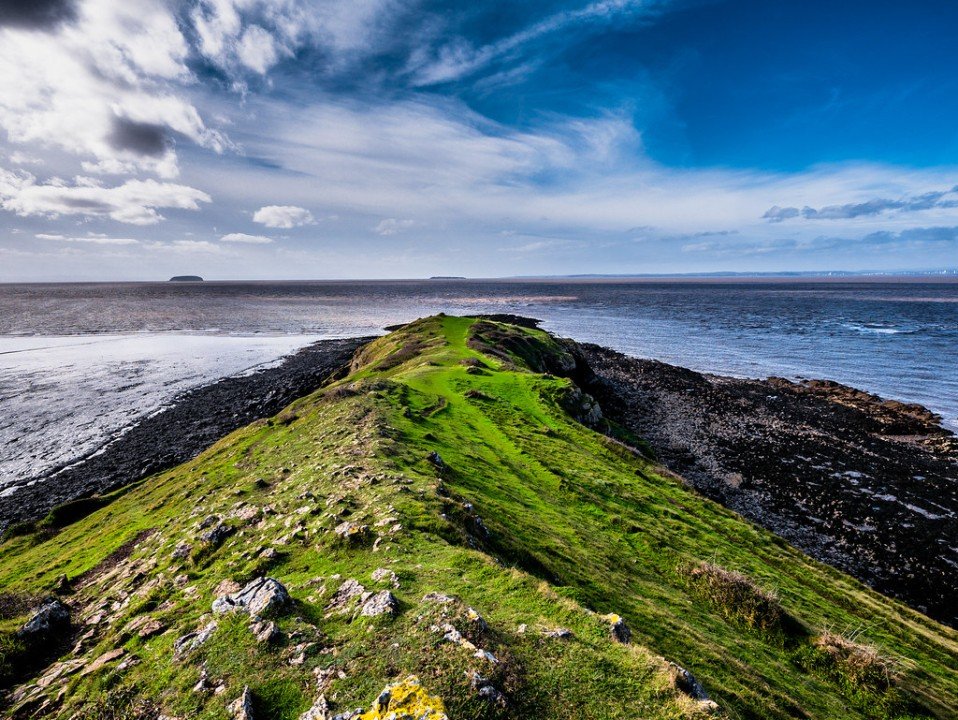
The visual contrast between cultivated land and open water is one of the most striking aspects of these areas. Golden wheat fields, green pastures, or colorful rows of vegetables often end abruptly at dramatic cliffs or quiet beaches. Fishing boats dot the horizon while tractors move slowly across the land, highlighting the deep connection between marine and agricultural livelihoods. In many communities, families have relied on both farming and fishing for generations, blending traditions that reflect a close relationship with nature.
Coastal farmers face unique challenges that inland agriculture rarely encounters. Saltwater intrusion, rising sea levels, and storm surges can threaten crops and soil quality. Strong winds may erode topsoil or damage delicate plants. To combat these issues, farmers use innovative techniques such as building sea walls, planting windbreak trees, or adopting salt-tolerant crop varieties. Some regions also rely on traditional methods passed down through generations, including terrace farming and carefully managed irrigation systems that protect soil from salinity.
Sustainability plays a crucial role in maintaining the balance between farmland and marine ecosystems. Overuse of fertilizers or pesticides can affect nearby oceans, harming fish populations and coral reefs. As a result, many coastal farming communities are embracing organic practices, regenerative agriculture, and eco-friendly water management systems. These methods aim to preserve both land and sea while ensuring long-term food security. Collaborative efforts between farmers, scientists, and conservation groups help protect biodiversity and maintain healthy ecosystems.
The cultural identity of coastal farming regions is deeply tied to seasonal rhythms. Local festivals often celebrate harvests, seafood catches, and traditional cooking methods that combine fresh produce with ocean flavors. Farmers’ markets near the coast showcase vibrant vegetables, handmade cheeses, freshly caught fish, and regional specialties that reflect the area’s natural abundance. Visitors are often drawn to these regions not only for their scenic beauty but also for authentic culinary experiences rooted in local traditions.
Tourism has become an important part of life where farmland meets the sea. Agritourism experiences, such as farm stays, vineyard tours, and coastal food trails, allow travelers to witness daily agricultural life while enjoying breathtaking ocean views. Walking or cycling along coastal paths reveals ever-changing landscapes—fields transitioning into dunes, wetlands, or rocky shores. This blend of rural charm and coastal tranquility offers a refreshing alternative to crowded beach resorts.
Climate change presents new challenges for coastal agriculture, forcing communities to rethink how they manage land and resources. Rising sea levels and shifting weather patterns demand adaptive strategies, including improved drainage systems, resilient crop varieties, and innovative farming technologies. Despite these challenges, many regions remain optimistic, using a combination of modern science and traditional knowledge to protect their way of life.

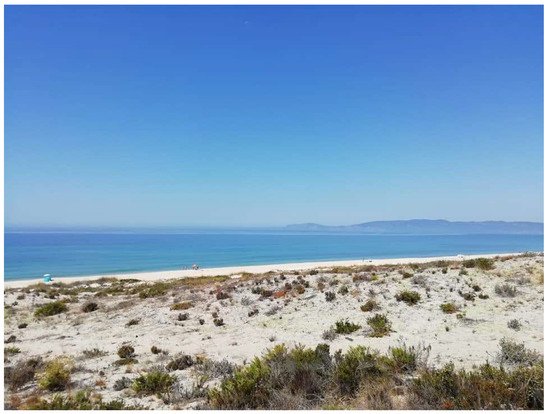
Ultimately, the meeting point of farmland and sea represents a powerful example of coexistence between humans and nature. These landscapes remind us that food production and environmental preservation can work hand in hand when guided by thoughtful practices and respect for natural ecosystems. Whether viewed from a clifftop overlooking patchwork fields or experienced through local cuisine and cultural traditions, the harmony between agriculture and ocean creates a unique and inspiring environment.
Fields by the tide offer more than picturesque scenery—they reflect the resilience of communities, the richness of coastal ecosystems, and the enduring connection between land and water. In these places, the rhythm of waves and the cycle of harvest come together, creating a landscape that nourishes both body and soul.