


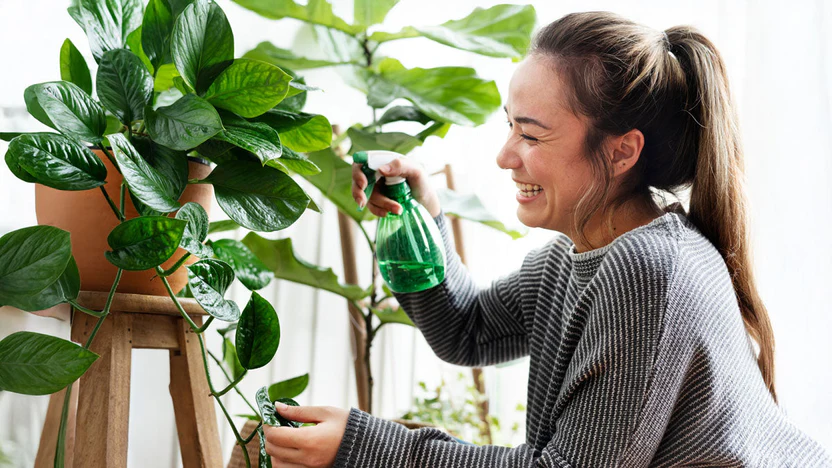
As modern life becomes increasingly urban and screen-focused, our connection to nature has quietly faded. Long hours indoors, artificial lighting, and fast-paced routines have made homes feel more functional than restorative. Biophilic design is emerging as a powerful response to this imbalance, reintroducing nature into living spaces in ways that support health, well-being, and emotional comfort.
Rather than being a passing trend, biophilic design reflects a deeper shift in how people want their homes to feel—calm, grounding, and connected to the natural world.
What Is Biophilic Design?
Biophilic design is based on the idea that humans have an innate need to connect with nature. This design approach integrates natural elements into interiors through materials, light, plants, colors, and organic forms. The goal is not just visual appeal but improved mental and physical well-being.

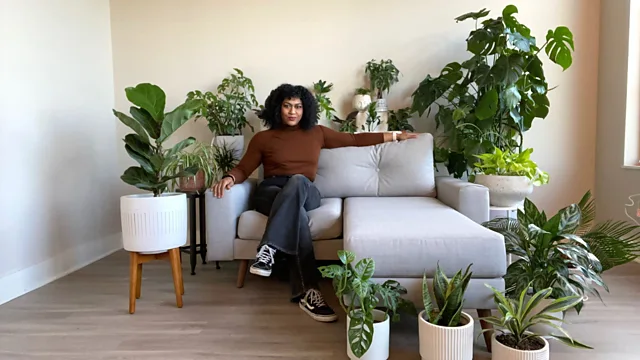
In recent years, biophilic design has expanded beyond adding a few houseplants. Today’s interiors focus on immersive natural experiences that influence mood, productivity, and relaxation.
Why Biophilic Homes Are Trending
One reason biophilic design is gaining popularity is its proven impact on health. Natural light improves sleep cycles, greenery reduces stress, and organic materials create a sense of warmth and safety. As people spend more time at home—working, relaxing, and socializing—homes are expected to support wellness in deeper ways.
Another driving factor is sustainability. Homeowners are increasingly conscious of environmental impact and are choosing materials and designs that feel responsible as well as beautiful.
Trending Biophilic Design Elements for Modern Homes
1. Living Green Walls and Indoor Gardens
Vertical gardens and wall-mounted planters are becoming focal points in living rooms and kitchens. These installations improve air quality while creating a striking visual connection to nature.
2. Natural Materials with Texture
Wood, stone, clay, bamboo, and linen are replacing synthetic finishes. Rough textures and visible grains add sensory richness and authenticity to interiors.
3. Earth-Inspired Color Palettes
Warm neutrals, forest greens, sandy beiges, and clay tones dominate biophilic homes. These colors mirror natural landscapes and promote calmness.
4. Maximizing Natural Light
Large windows, skylights, and sheer curtains allow daylight to flow freely. Natural light enhances mood, supports circadian rhythms, and makes spaces feel more open.
5. Organic Shapes and Flowing Forms
Curved furniture, arched doorways, and asymmetrical décor mimic natural patterns. These shapes soften interiors and create visual harmony.
Biophilic Design and Mental Well-Being
One of the most significant benefits of biophilic interiors is their effect on mental health. Exposure to natural elements has been shown to reduce anxiety, improve focus, and boost creativity. Even small design choices—such as placing a plant near a workspace or choosing wood finishes—can make a noticeable difference.
In bedrooms, biophilic design supports deeper rest through calming colors, natural textiles, and soft lighting. In living spaces, it encourages relaxation and social connection.
Blending Nature with Technology
A trending evolution in biophilic design is the balance between nature and technology. Smart lighting systems now mimic natural daylight cycles, while energy-efficient climate systems enhance comfort without disrupting natural aesthetics. The result is a home that feels intuitive, healthy, and future-ready.
Bringing Biophilic Design into Any Home
Biophilic design doesn’t require a complete renovation. Simple changes—adding plants, switching to natural fabrics, decluttering to let light in, or incorporating nature-inspired art—can transform how a space feels.
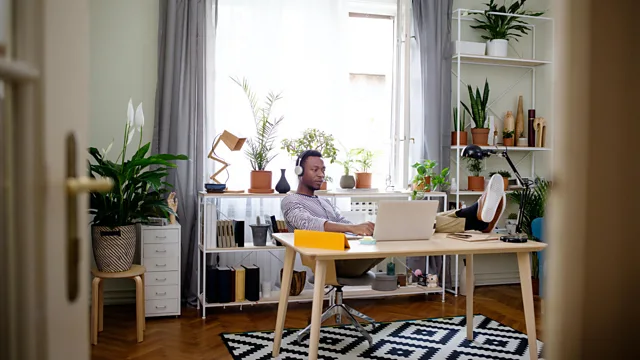
The key is intention. Each element should serve both beauty and well-being.
The Future of Healthier Living Spaces
As wellness continues to influence home design, biophilic interiors are becoming a foundation rather than a feature. Homes are evolving into sanctuaries that restore energy, reduce stress, and reconnect people with nature.
Biophilic design reminds us that the healthiest homes are not just built for living—they are designed for feeling alive.