


Climate change is no longer a distant warning—it is a lived reality. Across the globe, extreme weather events are becoming more frequent, more intense, and more unpredictable. From record-breaking heatwaves and catastrophic floods to prolonged droughts and powerful storms, the planet is showing clear signs of stress. These events are not isolated incidents; they are interconnected symptoms of a rapidly warming world.
The New Normal of Extreme Heat
Heatwaves are emerging as one of the deadliest consequences of climate change. Regions across Europe, South Asia, North America, and the Middle East are experiencing temperatures that push human tolerance and infrastructure to their limits. Prolonged heat has strained power grids, triggered wildfires, and posed serious health risks, particularly for the elderly and outdoor workers.

Cities are especially vulnerable. Urban heat islands—where concrete and asphalt trap heat—intensify temperature spikes, making densely populated areas dangerously hot. As global temperatures rise, extreme heat is becoming less of an exception and more of a seasonal certainty.
Floods Fueled by a Warmer Atmosphere
Flooding events are also increasing in severity. A warmer atmosphere holds more moisture, leading to heavier and more concentrated rainfall. Sudden downpours overwhelm drainage systems, rivers overflow, and coastal regions face rising sea levels that compound the damage.
Countries across Asia, Africa, and Europe have witnessed floods that displace millions, destroy crops, and cripple local economies. What once were “once-in-a-century” floods are now occurring every few years, challenging disaster preparedness systems that were designed for a different climate reality.
Droughts and Water Scarcity
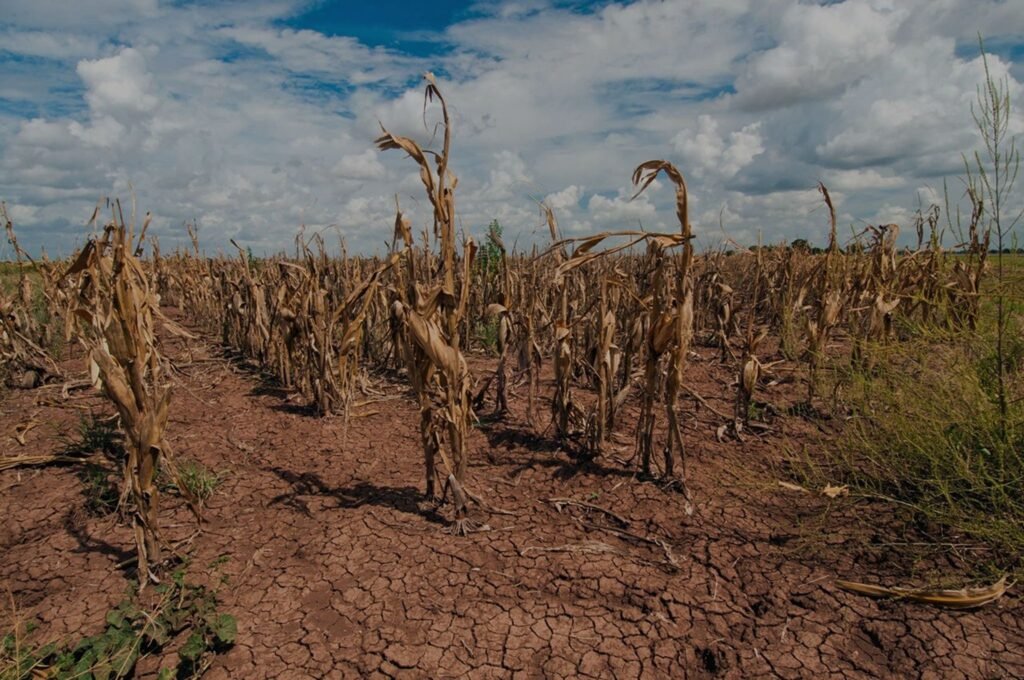
On the opposite end of the spectrum, droughts are intensifying and expanding into new regions. Extended dry periods are affecting agriculture, drinking water supplies, and ecosystems. Farmers face crop failures, food prices rise, and communities are forced to migrate in search of resources.
Water scarcity has become a geopolitical concern as well. Rivers and reservoirs that cross national borders are shrinking, increasing tensions between neighboring countries. Climate-driven drought is no longer just an environmental issue—it is a social, economic, and political one.
Stronger Storms and Cyclones
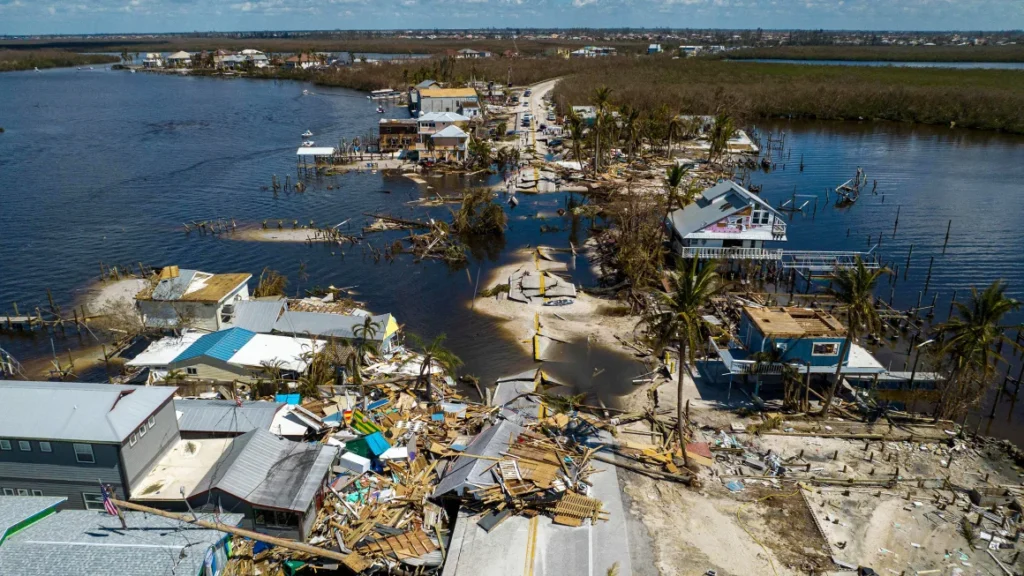
Warmer ocean temperatures are fueling stronger tropical storms and cyclones. These storms are carrying more rainfall, higher wind speeds, and greater destructive potential. Coastal communities are bearing the brunt, with infrastructure damage, displacement, and loss of livelihoods becoming more common.
Recovery from such disasters is increasingly difficult. Repeated storms prevent communities from fully rebuilding, creating cycles of vulnerability that disproportionately affect low-income and island nations.
Wildfires on an Unprecedented Scale
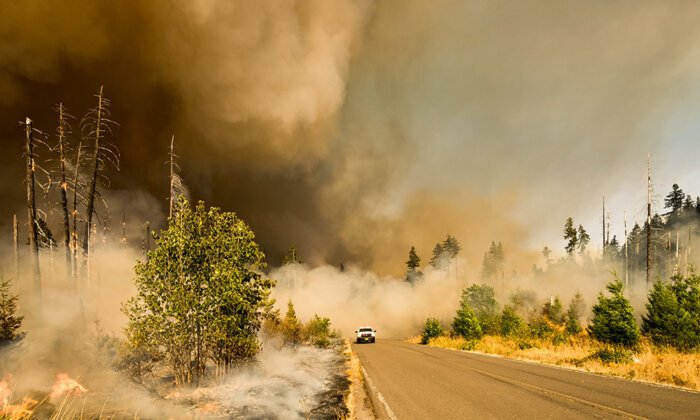
Wildfires have become more frequent and severe due to rising temperatures, prolonged droughts, and changing weather patterns. Regions that historically experienced minimal fire activity are now facing devastating blazes. Forests, homes, wildlife, and air quality are all at risk.
Smoke from wildfires travels thousands of kilometers, affecting regions far removed from the flames themselves. This highlights how climate impacts are no longer confined by geography.
Human and Economic Costs
The human toll of extreme weather is immense. Lives are lost, health systems are strained, and mental health impacts often linger long after the immediate danger has passed. Economically, extreme weather events cost billions annually, disrupting supply chains, damaging infrastructure, and slowing development.
Vulnerable populations—particularly in developing countries—are hit hardest despite contributing least to global emissions. This growing inequality has intensified calls for climate justice and stronger international cooperation.
Adapting to a Changing World
While reducing greenhouse gas emissions remains critical, adaptation has become equally urgent. Governments are investing in early warning systems, climate-resilient infrastructure, and disaster response strategies. Cities are redesigning spaces to manage heat and flooding, while communities are learning to live with changing environmental conditions.

However, adaptation has limits. Without significant global action to curb emissions, the scale of extreme weather may outpace our ability to respond.
Final Thoughts
Extreme weather events are reshaping how societies live, work, and plan for the future. Climate change is no longer a future threat—it is a present challenge demanding immediate action. As the planet continues to warm, the choices made today will determine whether the world adapts with resilience or faces escalating disruption. The climate crisis is here, and its impact is being felt everywhere.