

For a long time, outdoor lighting felt like an afterthought. Most people had a blinding security floodlight over the garage to scare off raccoons, a few cheap solar stakes lining the driveway, and maybe a string of festive patio lights that died after one rainy weekend.
Fast forward to today, and the backyard has fundamentally changed. It’s no longer just a patch of grass—it’s where we eat dinner on summer nights, unwind with a drink after work, and host friends late into the weekend. Naturally, the way we light these spaces has had to catch up.
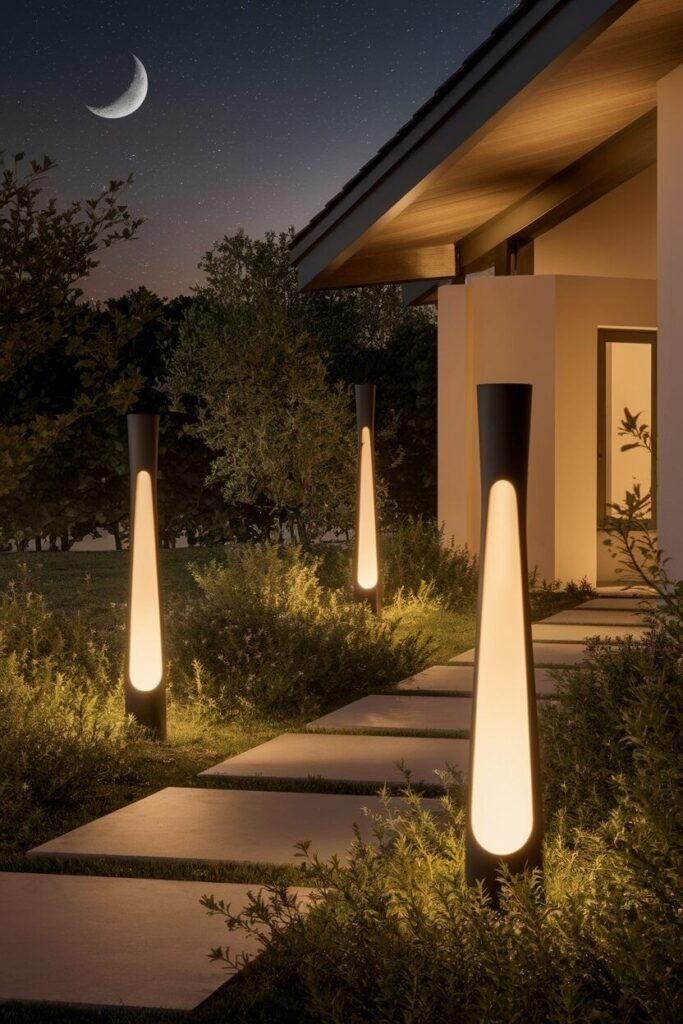
We’ve moved past simply trying to light up the dark. Modern landscape lighting is all about creating a warm, cozy atmosphere while letting smart technology do the heavy lifting behind the scenes.
If you want your yard to feel like a seamless extension of your home rather than a brightly lit parking lot, here are the new rules to live by.
Ditch the Floodlight for Layers
The single biggest mistake people make in their yard is relying on one giant, overhead light source. It casts harsh shadows, glares right in your eyes, and instantly kills any cozy, relaxed mood you were trying to build.
Interior designers have used “layered lighting” inside houses for decades, and the exact same principle applies outdoors. Instead of one powerful bulb, you want a mix of small, subtle light sources placed at different heights:
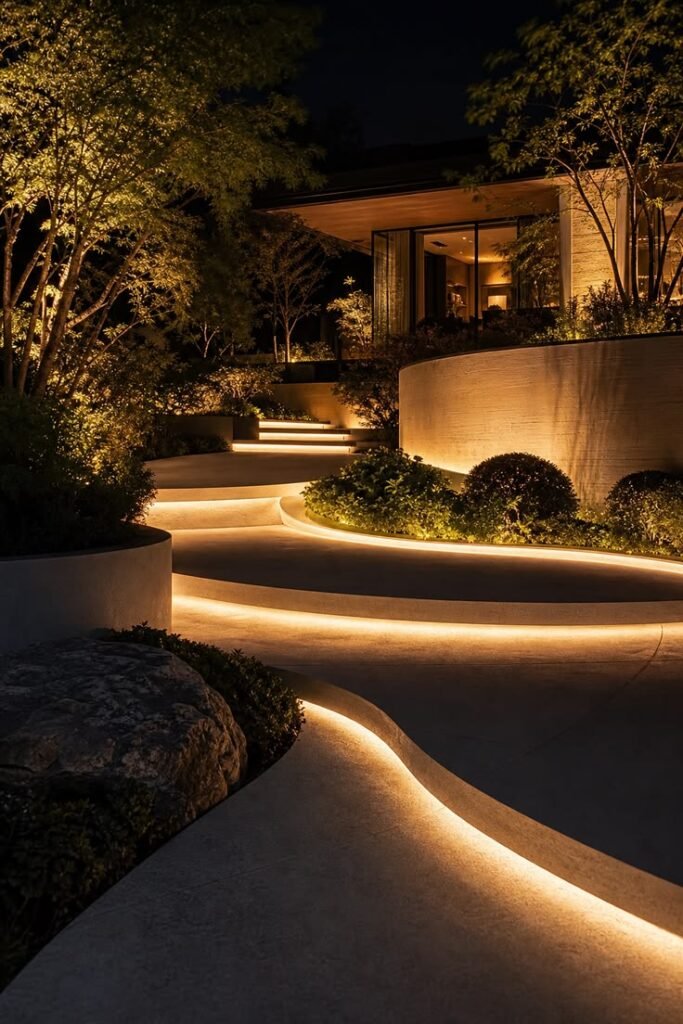
- Ambient Light: This is your soft background glow—think low-voltage lights tucked into garden beds, dimmable overhead string lights, or subtle LED strips hidden underneath patio steps and stone walls.
- Task Light: Focused light where you actually need to see what you’re doing, like over an outdoor grill, around a fire pit, or along dark garden paths.
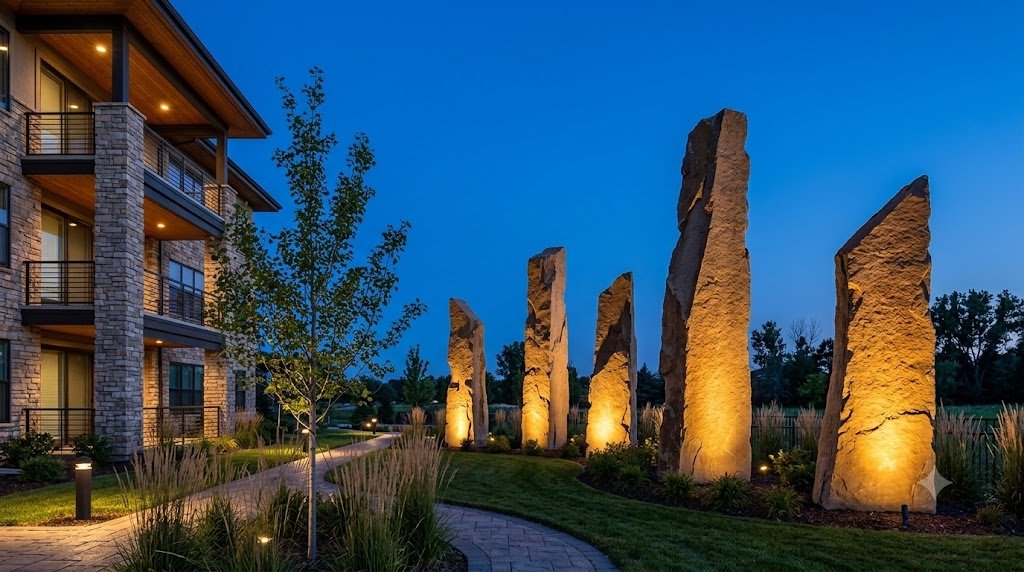
- Accent Light: Strategic spotlights used to draw the eye to your yard’s best features, like an old oak tree, a brick wall, or a water feature.
When you spread soft light around like this, your yard suddenly feels deeper, warmer, and way more inviting.
Stick to Warm Golden Tones
If your outdoor lights look cold, stark, or slightly blue, you’ve got the wrong color temperature.
Light warmth is measured in Kelvin. Cool white light might work well in a garage or a basement, but outdoors, it feels clinical and totally unnatural.
To keep your yard feeling cozy, stick strictly to warm soft whites (around 2700K to 3000K). This mimics the golden light of a setting sun or a crackling fire. It makes foliage look richer, keeps your outdoor space feeling relaxed, and is much easier on the eyes when the sun goes down.
Let Smart Tech Do the Work
Nobody wants to stumble through the dark or trek outside in freezing weather just to flip a manual light switch. Modern smart systems—like Philips Hue Outdoor or Lutron Caséta—have completely changed how we interact with our yards.
Once you connect your outdoor lights to a smart hub or your phone, everything becomes effortless:
- Automated Schedules: You can set your lights to turn on automatically at dusk and adjust throughout the year as the days get longer or shorter.
- One-Touch Scenes: You can program custom settings for different occasions. A “Dinner Party” button might dim the patio lights to 30% and turn on soft garden accents, while a “Late Night” setting turns off everything except a few low pathway lights for safety.
- Color on Demand: If you like decorating for the holidays, modern smart LEDs let you change color temperatures on the fly—shifting from warm white on regular nights to festive colors when you’re hosting.
Don’t Bling the Whole Neighborhood
As outdoor lighting gets more popular, light pollution has become a real issue. Unshielded spotlights that point straight up into the night sky waste electricity, disturb local wildlife, and hide the stars.
The best lighting setups keep light directed where it’s actually needed. Choose down-facing fixtures that cast light toward the ground rather than outward into your neighbor’s windows. For low-traffic spots like side yards or trash storage areas, stick with simple motion sensors so lights only kick on when someone is actually walking by.
The Bottom Line
Great outdoor lighting isn’t about blasting your yard with as much brightness as possible. It’s about thoughtfully playing with light and shadow.
By keeping your light warm, spreading out subtle fixtures, and letting smart controls handle the timing, you can turn a dark, unused yard into a space you actually want to hang out in all year long.